
- /
Types of Easements on the Monterey Peninsula
An easement is a legal right held by one party to use another party's land for a specific purpose. Easements run with the land, meaning they transfer automatically to every subsequent owner regardless of whether the buyer was told about them or understood their implications at the time of purchase. On the Monterey Peninsula, where coastal terrain, private road networks, and decades of subdivision have created a complex web of property rights, easements are present on a significant percentage of residential properties and are worth understanding before making an offer.
This post covers the types of easements that appear most frequently in Monterey Peninsula transactions, what each type means for the buyer who encounters it, and how to confirm what is actually encumbering a specific property before closing.
How Easements Work and Why They Matter
An easement does not give the holder ownership of the burdened land. It gives them a specific right to use it. The property owner retains title but cannot interfere with the easement holder's rights within the scope of the easement. It means a buyer can own a property subject to an easement that limits what they can build, where they can build it, and who has the right to cross their land.
Easements are typically disclosed in the preliminary title report that the title company prepares. The report lists all recorded encumbrances on the property, including easements, and describes them by type and recording information. Reading the preliminary title report and requesting copies of the underlying easement documents is a standard due diligence step that buyers should complete before removing contingencies.
Not all easements are equally consequential. A utility easement along the rear property line affects a buyer's landscaping options and may limit construction in that area. A coastal access easement across the front of the property allows the public or adjacent property owners to cross the land. A private road easement may mean the buyer is responsible for road maintenance costs they did not anticipate. Understanding which type is present and what it specifically allows is the relevant question.
Coastal Access Easements
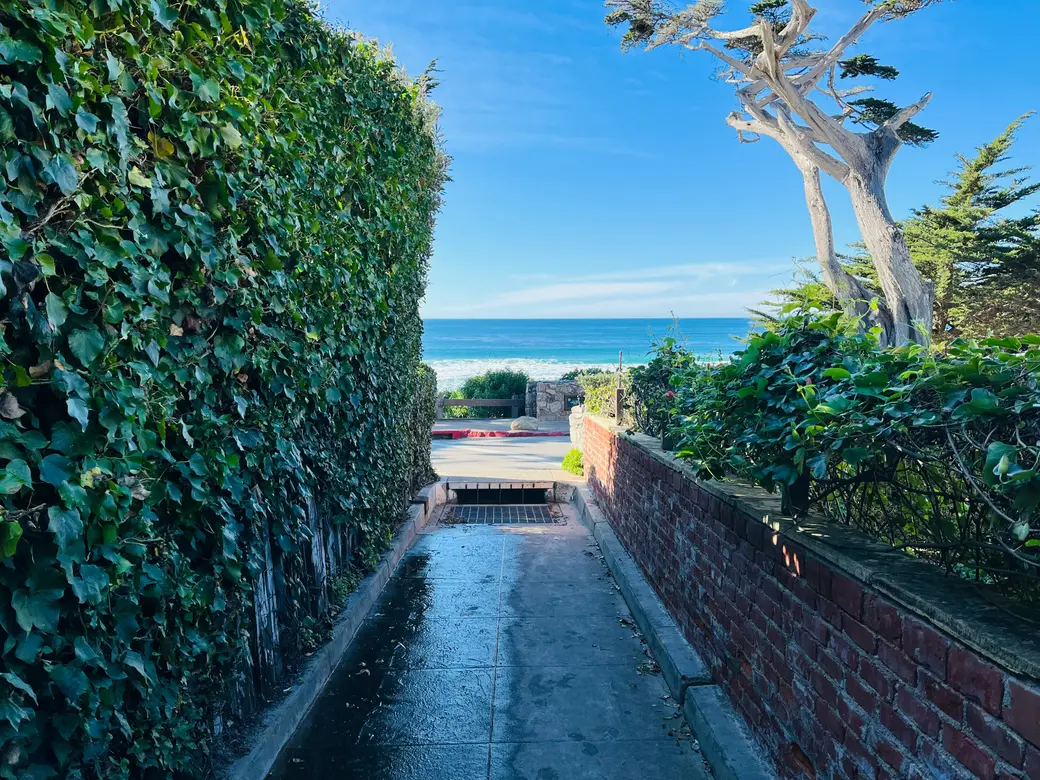
The California Coastal Act protects public access to the coastline, and the California Coastal Commission has required public access easements as a condition of development permits on coastal properties for decades. These easements grant the public a right of passage across private coastal land — typically a defined path from a public road to the shoreline.
For buyers of coastal properties on the Monterey Peninsula, this means that a home with a seemingly private beach access path may in fact be subject to a recorded public access easement that allows strangers to walk through the property. The easement defines the path, the hours of access, and the permitted uses. Some are rarely exercised. Some are actively used. The distinction between a dormant easement and an actively used one matters significantly for how a buyer will experience ownership.
Coastal access easements are recorded and listed in the preliminary title report. Buyers of oceanfront or coastal bluff properties should request the underlying easement document and understand precisely where the path runs, what activities it permits, and what maintenance obligations, if any, it places on the property owner.
An easement runs with the land. Every subsequent owner inherits it, whether or not they knew about it at the time of purchase.
Private Road Easements
Many properties on the Monterey Peninsula, particularly in Pebble Beach, Carmel Highlands, and the more rural areas of Carmel Valley, are accessed via private roads rather than public streets. Private road access is typically provided through a road easement that grants specified properties the right to use the road and, in many cases, obligates them to share in the cost of road maintenance.
The maintenance obligation is the detail buyers most often overlook. A private road that serves several properties may have a road maintenance agreement that requires each participating property owner to contribute to repaving, grading, and repair costs on a defined schedule or when the road reaches a specified condition threshold. These costs can be significant. A buyer who purchases a property with private road access without understanding the maintenance agreement may be surprised by an assessment within the first year of ownership.
The road maintenance agreement, if one exists, should be requested and reviewed before closing. Key questions: how is maintenance cost allocated among the participating properties, who has authority to initiate maintenance work, and what is the current condition of the road and its deferred maintenance backlog? The preliminary title report will identify the road easement. The underlying documents will contain the maintenance terms.
Utility Easements and Other Common Types
Utility easements: The most common easement type on residential properties, utility easements grant utility companies the right to install, access, and maintain infrastructure — power lines, gas lines, water mains, sewer lines — across private property. They typically run along property lines or through defined corridors and restrict the property owner from building structures within the easement area. Utility easements are generally not a significant practical constraint unless a buyer's renovation or construction plans fall within the easement corridor.
View easements: Less common but present on some Monterey Peninsula properties, view easements protect a property owner's right to an unobstructed view by restricting what an adjacent property owner can build or plant. A view easement that protects the ocean view from a Pacific Grove home may restrict the neighboring property from adding a second story or planting trees above a certain height. These easements are recorded and run with both the benefited and burdened properties.
Drainage easements: Drainage easements allow water from one property to flow across another, typically through a defined channel or pipe. In areas with significant elevation change, drainage easements can affect grading, landscaping, and the placement of structures. They are most relevant in Carmel Valley and the hillside properties above the coastal communities.
What to Do Before Closing
The preliminary title report is the starting point for understanding what easements encumber a specific property. Requesting copies of the underlying easement documents for any easement listed in the title report is the next step. A real estate attorney can review easement documents and advise on their practical implications for the buyer's intended use of the property if the language is ambiguous or the scope is unclear.
The Ruiz Group reviews the preliminary title report with clients as a standard part of the transaction process and flags easements that warrant closer examination before contingencies are released. If you are evaluating a Monterey Peninsula property and want to understand what the title report is showing before making an offer, that conversation is available at no charge.
Related reading: How Contingencies Work on the Monterey Peninsula (and When to Waive Them) · Building Near the Water: Understanding the California Coastal Commission · How to Read a Settlement Statement
Categories
Recent Posts





GET MORE INFORMATION
