
- /
Building Near the Water: Understanding the California Coastal Commission
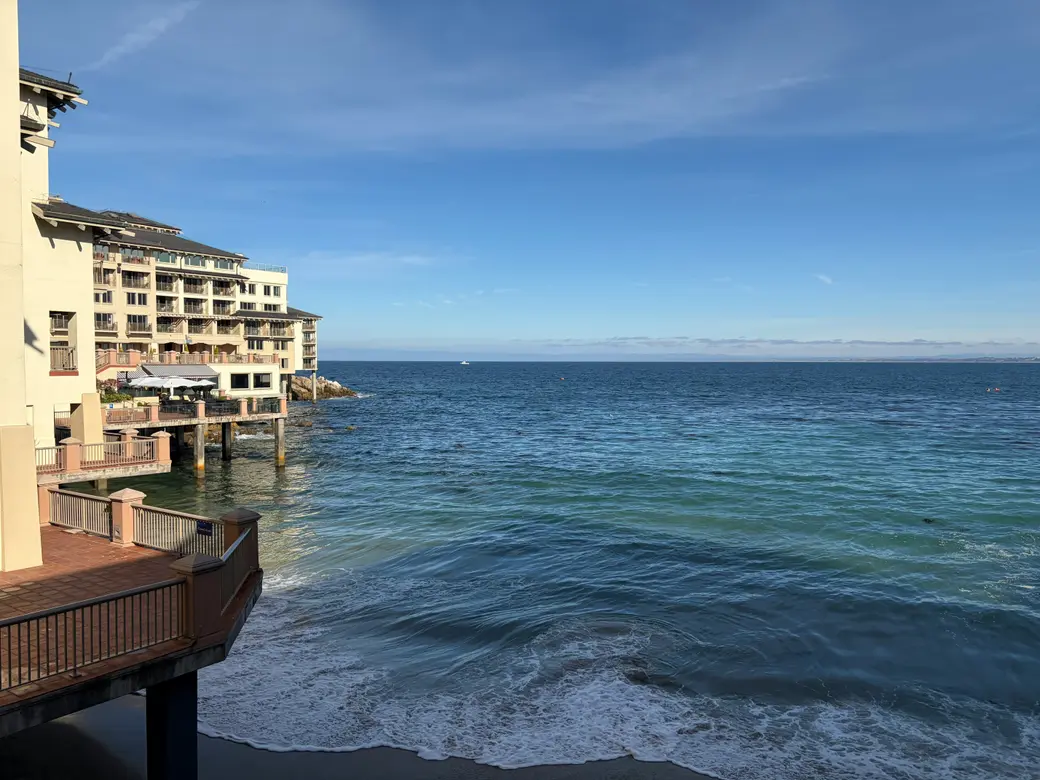
Why Ocean Views Come With Unexpected Rules
Few things are as alluring as an ocean view.
On the Monterey Peninsula, homes overlooking the Pacific often represent the most coveted properties in the region. Buyers imagine expansive windows, terraces facing the horizon, and the freedom to shape a house around the landscape.
But along this coastline, building and remodeling are rarely simple.
The closer a property sits to the water, the more layers of oversight tend to apply.
Understanding those layers can make the difference between a smooth project and years of frustration.
The Role of the Coastal Commission
One of the most influential agencies affecting coastal development in California is the California Coastal Commission.
Created after voters approved the California Coastal Act, the Commission was tasked with protecting coastal access, scenic resources, and environmental integrity.
For homeowners, this means certain projects require additional review if a property lies within a state-designated coastal zone.
Depending on the jurisdiction, that review may occur locally or directly through the Commission.
What Buyers Often Assume
Many buyers approach coastal properties with a simple assumption.
“If I own the house, I can change it.”
In reality, even modest projects can require approval.
Common examples include:
• Expanding a home’s footprint
• Adding decks or balconies
• Altering rooflines that affect views
• Installing new exterior lighting
• Significant landscaping changes near bluffs or dunes
These reviews are not meant to stop development. They are intended to ensure that changes respect the coastline’s visual character and environmental sensitivity.
The Complexity of Bluff-Top Homes
Some of the Monterey Peninsula's most dramatic homes sit above the ocean on coastal bluffs.
These properties often come with breathtaking views and a unique set of considerations.
Issues that frequently arise include:
• setback requirements from bluff edges
• erosion studies
• geological reports
• long-term shoreline retreat projections
These factors can influence both renovation plans and property values.
Why the Process Exists
From a homeowner’s perspective, coastal review can feel restrictive.
But it has also played a significant role in preserving the visual character of communities like Carmel-by-the-Sea and Pacific Grove.
Without these protections, the Monterey Peninsula’s coastline might look dramatically different today.
Large-scale development, excessive height, and privatized shorelines were real concerns when the Coastal Act was adopted.
The regulations were designed to prevent those outcomes.
Why Early Research Matters
For buyers considering coastal homes, the most important step is understanding constraints early.
Questions worth exploring include:
• Is the property inside the coastal zone?
• Has the home previously received coastal permits?
• Are there bluff or shoreline setbacks affecting future plans?
• Could view corridor protections limit expansion?
The answers often shape what is realistically possible.
The Ruiz Group Perspective
At The Ruiz Group, we often see buyers fall in love with the idea of a coastal renovation before fully understanding the regulatory landscape.
Our role is not to discourage those dreams, but rather to help our clients approach them with clear expectations.
Many remarkable coastal projects do happen on the Monterey Peninsula. They simply require patience, thoughtful design, and the right approvals.
Understanding the rules early helps ensure the process is a rewarding one rather than a surprising one.
Categories
Recent Posts








GET MORE INFORMATION
