
- /
The Monterey Peninsula in Summer
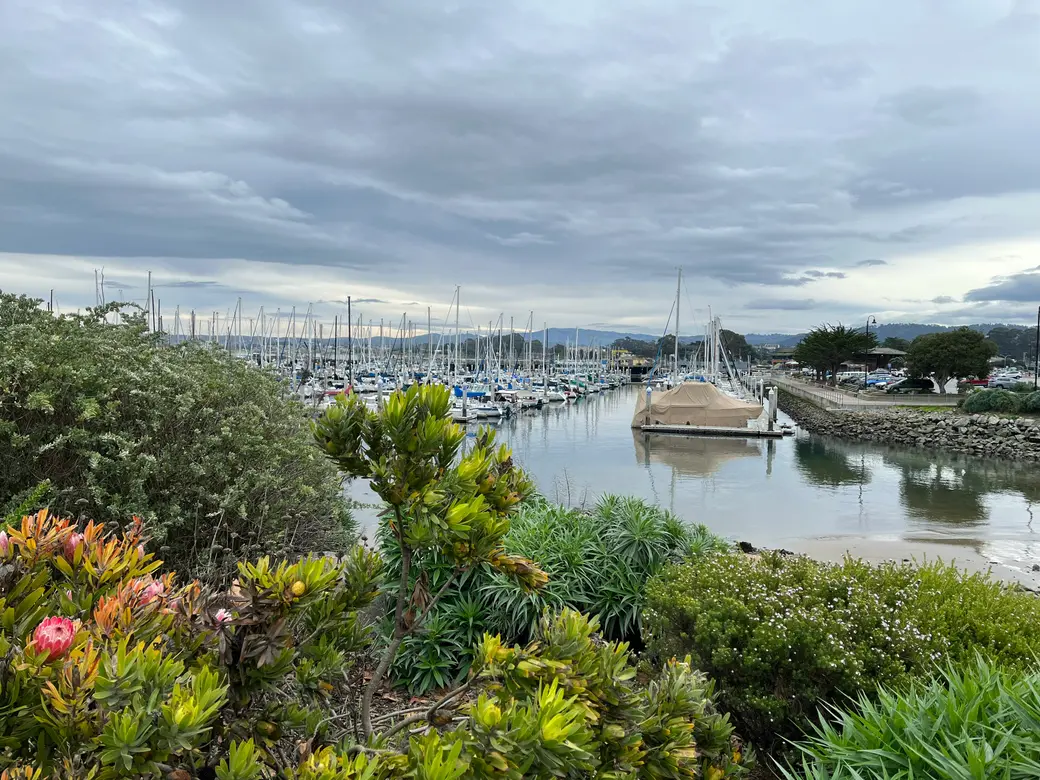
If you have just moved to the Monterey Peninsula or are about to, you are arriving at a moment that tells you certain things and withholds others. Summer here is specific. It is not what the photographs suggest, and it is not what June or July in most California coastal towns feels like. It is its own thing, and understanding what to expect before the season is fully underway makes it considerably easier to enjoy.
This is not a visitor's guide to summer events. It is a resident's orientation to what the next three months actually involve — the climate, the crowds, the events worth planning around, and the rhythms that experienced residents have developed over years of living here through summer.
The Climate: Fog Is Not a Problem, It Is the Season
The marine layer that sits over the coastal communities through much of the summer morning is not unusual weather. It is the climate. June through August on the Monterey Peninsula's coastal side — Carmel, Pacific Grove, the 17-Mile Drive — tends to be cool, overcast in the morning, and often foggy well into the afternoon. Temperature on a summer afternoon in Carmel might reach the low 60s. It might not.
New residents who expected summer to feel like summer often need a season to recalibrate. The adjustment tends to happen in one of two directions: they discover they love the fog — the particular light it produces, the way it muffles sound, the cool that makes a wool sweater appropriate in August — or they discover that they need more sun than the coast provides and start spending summer afternoons in Carmel Valley, which sits above the marine layer and regularly reaches the 70s and 80s when the coast is socked in.
Both are valid responses. What experienced residents do not do is fight the fog or wait for it to behave differently than it has for decades. They dress for it, plan outdoor activities around when it is likely to lift, and enjoy what it gives them: a summer that never gets hot, never requires air conditioning, and produces mornings that feel like the edge of the world in the best possible way.
The Crowds: What Changes and What Doesn't
The Monterey Peninsula is a tourist destination and summer is its peak season. Carmel's Ocean Avenue fills with visitors on summer weekends. The 17-Mile Drive sees its heaviest traffic. Cannery Row and Fisherman's Wharf in Monterey are busy. Parking in Carmel village becomes a project. Restaurant wait times extend. The trails at Point Lobos require timed entry reservations that are often fully booked.
Experienced residents develop simple adaptations. Carmel village errands happen on weekday mornings before the tourist traffic arrives. Point Lobos visits are planned for weekdays, reserved in advance, or scheduled for the early morning slots. Ocean View Boulevard in Pacific Grove, which never develops the same tourist density as Carmel, remains the daily walk of choice for residents who find the weekend Carmel energy too much.
The crowds are not a reason to avoid the Peninsula's best places in summer. They are a reason to develop the resident's timing intelligence that makes those places accessible without fighting the visitor traffic.
Summer on the Monterey Peninsula is not what the photographs suggest. It is cooler, foggier, and more crowded — and for the people who live here, it is often their favorite season.
The Events Worth Knowing
Summer on the Monterey Peninsula is anchored by a calendar of events that range from world-class to genuinely local. New residents who know what is coming can plan around the ones that interest them and plan around the ones that don't.
The Monterey Jazz Festival, held in late September at the Monterey County Fairgrounds, is technically fall but the planning and social energy around it begins in summer. It is the oldest continuously running jazz festival in the world and one of the Peninsula's most significant annual events. Residents who care about it tend to get tickets early.
The Concours d'Elegance at Pebble Beach takes place in August and represents the Peninsula's highest-profile weekend of the year. Car Week, as the broader week of automotive events surrounding the Concours is known, transforms the Peninsula for several days: hotels fill months in advance, traffic on the 17-Mile Drive intensifies, and the lodges and restaurants on the Pebble Beach property reach maximum capacity. For residents who are not engaged with the car events, Car Week is a good time to plan a trip away. For residents who love cars, it is one of the best weeks of the year.
The AT&T Pebble Beach Pro-Am in February is technically winter but worth noting as a reference point: the summer golf season at Pebble Beach brings a different cadence of visitors to the courses and surrounding areas. Residents who live near the course experience this as background texture rather than disruption.
The farmers markets — in Monterey on Tuesday and Friday mornings, at the Barnyard in Carmel on Wednesday, in Pacific Grove on Monday afternoons — are at their best in summer. Stone fruit, tomatoes, corn, and the season's full variety are present by July. Established residents often describe the farmers market as one of the reliable social pleasures of summer, the place where they reliably run into people they know.
How Established Residents Navigate Summer
The pattern that emerges from talking to people who have lived here for years is consistent. Summer is when they use the Peninsula's quieter pleasures more deliberately: the early morning coastal walk before the visitors arrive, the Tuesday evening farmers market, the weekday afternoon at Point Lobos with a reservation. They plan more on weekdays and less on weekends. They discover which of the local restaurants do not attract the same tourist traffic as the most-written-about ones.
Car Week is the one period most established residents have a clear position on. Either they embrace it fully, often because they have connections to the events or simply enjoy the spectacle of extraordinary cars on roads they drive every day, or they use it as an opportunity to visit somewhere else for a long weekend. Very few residents feel neutral about it.
The underlying pleasure of a Monterey Peninsula summer, for the residents who have settled into it, is the juxtaposition of the world coming here with the quiet life that exists alongside and underneath it. The fog burns off by eleven. The trails are available. The neighbors you have been walking with since February are still walking. The world arrives and departs, and the life you have built here continues.
What to Look Forward To
The best version of a Monterey Peninsula summer for a new resident is built in the first few weeks: figure out when the fog lifts in your specific neighborhood, identify the two or three trails you will walk regularly, get a farmers market routine established, and decide whether Car Week is something you want to attend or avoid. Those four decisions will shape the next three months more than almost anything else.
If you have questions about what summer looks like in a specific community or neighborhood, The Ruiz Group is genuinely happy to share what we know from watching many people make this transition. It is one of the more enjoyable conversations we have.
Related reading: What Nobody Tells You Before Moving to the Monterey Peninsula · The Social Life of the Monterey Peninsula: How New Residents Build Community · The Monterey Peninsula's Best Hiking and Walking
Categories
Recent Posts
GET MORE INFORMATION
