
- /
What Nobody Tells You Before Moving to the Monterey Peninsula
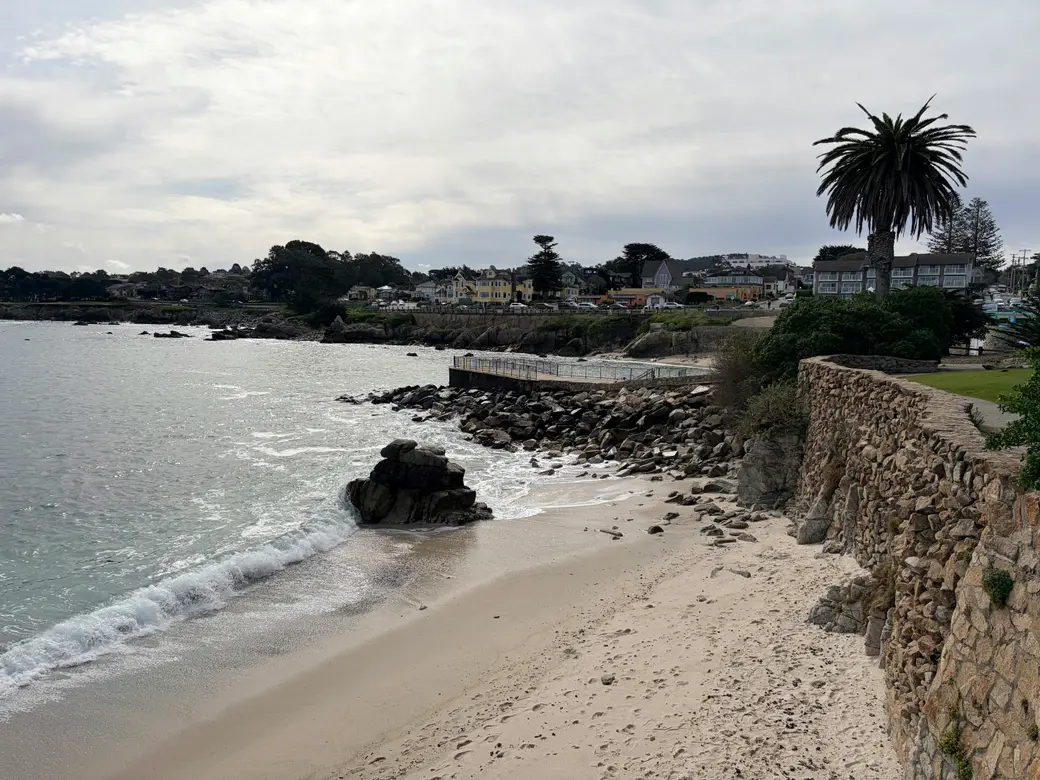
You've probably visited more times than you can count. You know the drive down Highway 1. You know which restaurant you'll eat at the first night and which trail you'll walk the morning after. You love it here. And more and more, you find yourself shifting the question from "when can we come back" to "what if we just stayed?"
We think that’s a wonderful question. But before you move, here are some things you won’t read in brochures or lifestyle magazines about what’s it’s like to live (and not just visit) the Monterey Peninsula.
The Fog Is Not a Phase
Most people who visit the Monterey Peninsula in July experience the marine layer and assume it will burn off by afternoon. Sometimes it does, and sometimes it doesn't. The coastal fog that sits over Carmel-by-the-Sea and Pacific Grove through many a summer morning is not a weather anomaly. The Peninsula's position on the California coast, surrounded by cold upwelling Pacific water, produces a marine layer that is persistent and predictable (and quite truly loved and embraced by many people here).
The variation in fog levels across the Peninsula is worth understanding before you buy. Carmel-by-the-Sea and Pacific Grove are the foggiest communities. Pebble Beach, on the inland side of the Del Monte Forest, tends to catch more afternoon sun. Carmel Valley, which sits just far enough inland to sit above the marine layer, is consistently sunnier and warmer than the coastal communities. Buyers who truly want afternoon sun on most days and appreciate a more Mediterranean climate should look there first.
But what the fog gives you is something genuinely unusual: a climate with almost no temperature extremes. The Monterey Peninsula's year-round range is remarkably narrow. It rarely gets truly hot. It rarely gets truly cold. It is, in the way that matters most for daily life, one of the most comfortable climates in the United States. The people who come from places with real winters — the ones who have shoveled snow, survived humid summers, and driven in ice — tend to fall in love with the fog within a year. It grows on you in the way that a place's most distinctive features tend to grow on you. It becomes yours.
Water Is Its Own Conversation
This is the thing that surprises new residents most consistently, and it is the most important practical reality to understand before you close on a property here.
Water on the Monterey Peninsula is supplied by California American Water, which operates under a state order to reduce its reliance on the Carmel River. A longstanding moratorium on new water connections has shaped this market for decades. Most properties have existing water credits that transfer with the sale rather than new connections being established. This is not something you need to solve, but it is something you need to understand, because it affects what you can do with a property and what the ongoing cost of owning it looks like.
The tiered rate structure for water on the Monterey Peninsula escalates significantly with use. Residents who come from communities with flat-rate or low-cost water are consistently surprised by their first several bills. If the property you are buying has a large garden, significant landscaping, or a pool, run the water cost model before you close. It belongs in your carrying cost calculation alongside insurance and property taxes.
A desalination project has been in development to address the long-term water supply situation, and significant infrastructure investment is underway. The full picture is covered in the dedicated water posts in this blog. The short version for a buyer: water here is not a background utility. It is a meaningful ongoing cost and a planning consideration for any property with significant outdoor water use.
The people who thrive here knew what they were choosing. The ones who struggle are almost always the ones who moved for the idea of the Monterey Peninsula rather than the reality of it.
Plan for Permitting. Then Add More Time.
Buyers who move to the Monterey Peninsula with plans to renovate, expand, or significantly update a property often discover that the permitting environment is unlike anything they encountered in their previous market.
The California Coastal Commission adds a layer of review for properties in the coastal zone that does not exist in inland markets. Carmel-by-the-Sea's design review process is one of the most thorough in California. Changes to exterior materials, architectural features, landscaping, and sometimes even paint colors are subject to architectural review board approval. Pacific Grove has historic districts with their own review requirements. Unincorporated Monterey County processes permits through the county's planning department, which has its own timelines and its own workload.
None of this makes renovation impossible. It makes it slower and more deliberate than buyers from faster-moving markets tend to expect. A project that would be permitted and underway in three months in another California city might take a year here. Sometimes longer.
This blog's five-part permitting series covers each type of project in detail. The short version: talk to a local contractor and the relevant planning department before you make any decisions or commitments that depend on a renovation timeline. Starting that conversation early is the single best thing a new buyer can do.
Remember: the permitting rigor that slows individual projects is the same rigor that prevents the overdevelopment and architectural inconsistency that has changed the character of other California coastal communities. The reason Carmel looks the way it does is partly because changing it requires serious, considered effort. That is not a coincidence. It is a deliberate choice that most residents come to appreciate.
The Commute, the Costco, and the Pace of Things
If you are moving from the Bay Area and plan to commute occasionally, understand the route before you commit to a schedule. Highway 1 north of Santa Cruz is a two-lane mountain road with no viable alternative. Under good conditions, Carmel to San Jose runs about an hour and forty-five minutes. During commute hours or in traffic, two hours each way is not unusual. Many Peninsula residents commute infrequently or work remotely and manage this without difficulty. Buyers who need to be in a Bay Area office regularly should factor the road into the lifestyle calculation.
The amenity landscape on a small peninsula is different from a major metro and worth knowing in advance. Big-box retail is in Seaside and Marina, not in Carmel or Pacific Grove. Certain medical specialists require a trip to Salinas or further. The restaurant scene is world-class but not wide (the extreme variety you'd find in a larger city is simply not here). Late-night options are limited. The nearest major airport with significant direct flight options is Mineta San Jose.
None of this is a complaint. It is the texture of life in a community that chose to remain a community rather than scale into something else. The residents who are happiest here made a conscious decision about that trade-off and find, most of the time, that they don't miss what they gave up. The farmers markets are exceptional. The hiking is ten minutes away. The neighbor you run into at the coffee shop might be someone you'll see for the rest of your life here. The pace of things is different — slower, more present, less transactional — and for the people it suits, it is one of the best things about living here.
What the Monterey Peninsula Actually Is
It is not a vacation destination you happened to move into. It is a small, specific, genuinely beautiful place with a particular character that has been shaped over decades by the people and communities that chose to stay. The fog is part of it. The water bills are part of it. The permitting process and the quiet Tuesday evenings and the fact that everyone at the farmers market seems to know everyone else — all of it is part of it.
The people who thrive here almost always moved for what it is. The ones who struggle moved for what they imagined it might be. The difference, in The Ruiz Group's experience watching many families make this transition, is usually apparent within the first year.
If you're evaluating a move and want a direct conversation about what living here actually involves — the neighborhoods, the trade-offs, the things that are wonderful and the things that take adjustment — The Ruiz Group is genuinely happy to have it.
Related reading: Nine Worlds: Understanding the Microclimates of the Monterey Peninsula · Understanding Water Credits on the Monterey Peninsula · The Water Moratorium in Monterey County: FAQ · Monterey County Permitting, Part 1
Categories
Recent Posts


GET MORE INFORMATION
