
- /
Living in Carmel Valley: A Sunny Alternative

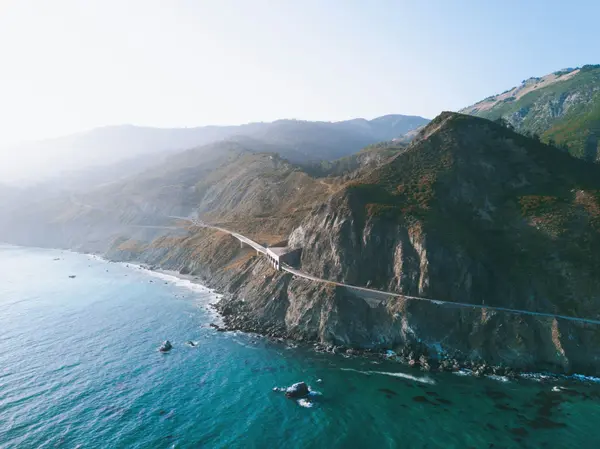
Most buyers who come to the Monterey Peninsula arrive with a specific picture in mind: Carmel-by-the-Sea, Pacific Grove, Pebble Beach. The coastal communities are the ones that appear in the photographs, the ones friends have visited, the ones that anchor the Peninsula's reputation. Carmel Valley, which sits ten miles inland, up the Carmel River corridor, rarely appears in that initial picture.
The buyers who do fall in love with Carmel Valley — usually after a visit on a summer afternoon when the coast is fogged in and the valley is warm and clear — often describe the same experience: why didn't anyone tell me about this?
The Climate
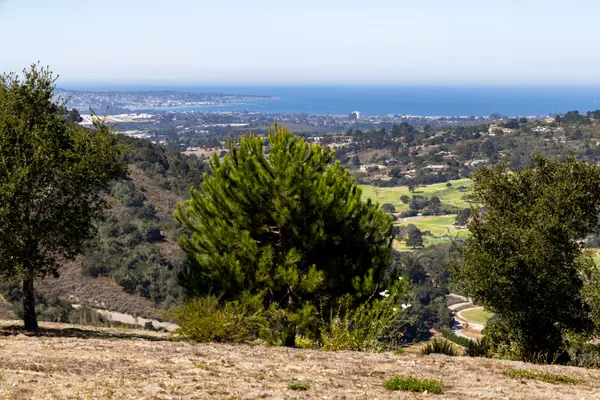
Carmel Valley's most significant distinction from the coastal communities is its climate. The valley sits far enough inland to rise above the marine layer that settles over Carmel-by-the-Sea and Pacific Grove for much of the summer morning and, on many days, well into the afternoon. While the coast is cool and foggy, Carmel Valley is warm and clear.
Average summer temperatures in the valley regularly reach the mid-to-upper 70s, and sometimes higher, compared to the coastal communities where summer afternoons in the low 60s are common. Residents who value outdoor living, who use their gardens and terraces in the afternoon, and who find the coastal fog depressing rather than atmospheric tend to find Carmel Valley revelatory.
There's a trade-off. Carmel Valley summers are warmer. Carmel Valley winters are cooler than the coast. The maritime moderation that keeps coastal temperatures remarkably stable year-round is less pronounced inland. Buyers who move from the coast specifically for the warmth should understand that winter nights in the valley can be cold by Monterey Peninsula standards, and the heat of a valley summer afternoon is accompanied by the need for shade and air circulation in a way the coast does not require.
The Character
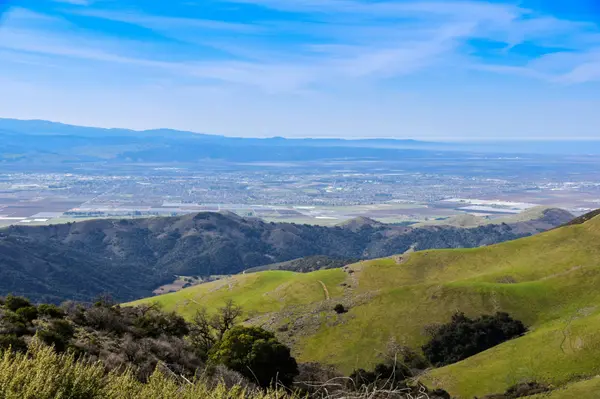
Carmel Valley Road runs the length of the valley, connecting the coastal communities to the east and eventually reaching the small village of Carmel Valley Village roughly twelve miles from Highway 1. The road passes through a landscape that changes as it moves inland: open hillsides, oak woodland, vineyards, horse properties, and eventually the more rural character of the upper valley.
Carmel Valley Village is the community's social anchor: a small cluster of restaurants, wine tasting rooms, a handful of shops, and the kind of familiar community fabric that develops when the same people have been living in the same small place for a long time. The Carmel Valley Athletic Club is a genuine community institution. The farmers market draws residents from across the valley. The pace of life here is measurably slower than in the coastal villages, and the sense of being in a rural setting while remaining accessible to everything the Monterey Peninsula offers is one of the things residents value most about it.
The wine culture is a major part of the valley's character. Carmel Valley has a genuine wine-producing history, and the tasting rooms clustered in and around the village represent producers who are serious about what they are making. For buyers who care about having a local food and wine culture within walking or easy driving distance of their home, Carmel Valley delivers.
The buyers who discover Carmel Valley seriously almost always ask the same question: why didn't anyone tell me about this?
The Real Estate
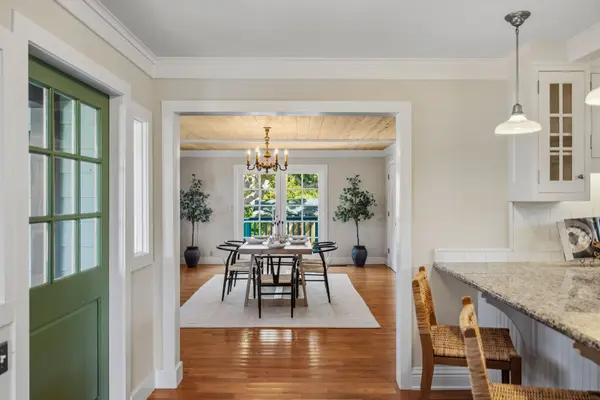
Carmel Valley's real estate market is meaningfully different from the coastal communities in character and, in many segments, in price. The valley accommodates a range of property types that are simply not available in Carmel or Pacific Grove: horse properties on multi-acre parcels, vineyard estates, homes with significant outdoor land, and rural retreats that offer genuine privacy at a scale the coastal communities cannot.
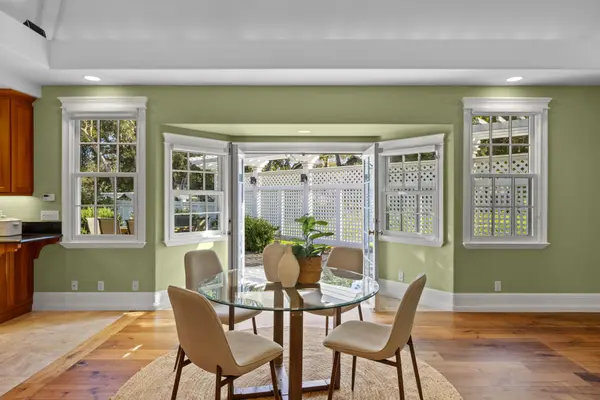
At the more accessible end of the market, the valley offers well-maintained homes on reasonable lots at prices that can be substantially below what a comparable home would cost closer to the coast. The absence of the ocean-proximity premium that drives coastal pricing creates genuine opportunity for buyers whose lifestyle does not require daily coastal access.
The property types that command the highest prices in Carmel Valley are typically the larger parcels with views, equestrian facilities, or vineyard plantings — properties that are simply not available anywhere else on the Monterey Peninsula. Buyers who have been looking at the coastal communities and finding that their budget buys less than they expected sometimes discover that the valley offers a fundamentally different value proposition: more land, more space, more privacy, and a climate many find preferable, at a price that more closely matches what they were hoping to spend.
What Buyers Should Know
Carmel Valley is in unincorporated Monterey County, which means it operates under county rather than city jurisdiction. The permitting process, the STR rules, and the regulatory landscape are different from the incorporated coastal communities. The 2024 Monterey County STR ordinance significantly restricted short-term rental activity in the valley's residential areas, which buyers considering a vacation rental strategy should understand before purchasing. The county's planning department is the relevant authority for any questions about use rights on a specific parcel.
The drive from Carmel Valley Village to Carmel-by-the-Sea runs approximately twenty to twenty-five minutes under normal conditions. The drive to Monterey is similar. For buyers who expect to use the coastal amenities regularly, the valley is accessible rather than remote. For buyers who expect to commute north toward the Bay Area, Carmel Valley adds roughly fifteen to twenty minutes to the Highway 1 corridor, which is worth factoring into the commute calculation.
Water access in the upper valley is subject to the same Monterey Peninsula water constraints that affect the coastal communities, with some additional complexity for properties on private wells or agricultural water sources. A title company and a water rights specialist should confirm the water situation for any rural property before purchase.
Worth a Look
The buyers who are happiest in Carmel Valley are almost always the ones who gave it a genuine consideration rather than a passing glance. If you have been focused on the coastal communities and have not spent a full afternoon in the valley on a clear day in July, the visit is worth making before you narrow the search. The Ruiz Group knows Carmel Valley's market in detail and is happy to walk through what is available and what distinguishes different parts of the valley before a search begins.
Related reading: Pacific Grove vs. Carmel vs. Monterey: Which Town Fits Your Life? · Nine Worlds: Understanding the Microclimates of the Monterey Peninsula · How Short-Term Rental Rules Vary Across the Monterey Peninsula
Categories
Recent Posts


GET MORE INFORMATION
