
- /
Pacific Grove vs. Carmel vs. Monterey: Which Town Fits Your Life?
You've decided on the Monterey Peninsula. Now comes the next big question: which community is best for you?
The communities on the Monterey Peninsula are close enough to each other that the differences are not primarily geographic, but about character, daily rhythm, and what kind of life you want to live when you are not on vacation here.
Here are our detailed portraits of Carmel-by-the-Sea, Pacific Grove, and Monterey, designed to help you choose the one that best fits your personality.
Carmel-by-the-Sea
Carmel is what most buyers picture when they think of the Monterey Peninsula. The fairy-tale cottages, the gallery-lined streets, the cypress trees along the beach, the absence of street addresses on residential properties — Carmel has spent decades protecting a very specific version of itself, and the result is a place that feels genuinely unlike anywhere else in California.
The character of the town is intimate and deeply self-aware. There are no chain restaurants. No parking meters. No neon signs. No big-box retail within the village. These are not oversights — they are policies, maintained through an architectural and design review process that governs everything from exterior paint color to fence height. That process frustrates some owners and is cherished by others. What it produces is a consistency of visual character that makes the village feel timeless rather than trendy.
The trade-offs are worth understanding clearly. The price point is the highest of the three communities for comparable square footage. Inventory turns over slowly. The review process means that any renovation involving exterior changes requires patience and engagement with the city's process. The village itself is walkable — dinner, galleries, a morning coffee, the beach — but daily errands require a car, since the grocery store and most services are in the surrounding area. The community leans older and quieter. Evenings end early, and that is largely by design.
Carmel rewards a specific kind of owner: someone who values architectural character over square footage, who finds the village scale genuinely pleasurable rather than limiting, and who wants to walk to dinner on a Tuesday evening and feel like they are somewhere with a real identity.
You are probably a Carmel person if you want to walk to dinner, you value character over convenience, and you find the idea of living in a place that protects itself deeply appealing rather than restrictive.
Pacific Grove
Pacific Grove buyers tend go through a common experience: they didn't know this place existed, and now they can't stop thinking about it.
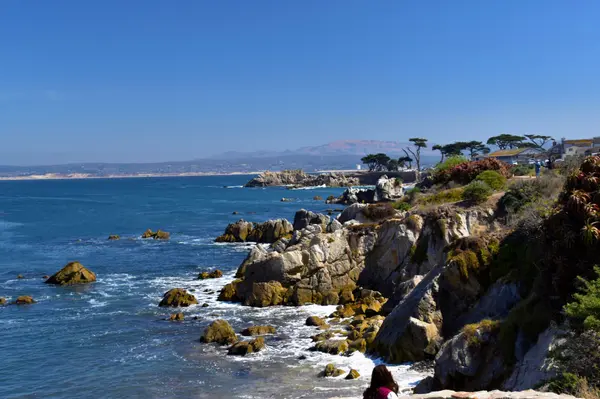
The town sits at the very tip of the Monterey Peninsula with views across Monterey Bay, a walkable downtown anchored by Lighthouse Avenue, Victorian homes in the residential neighborhoods inland from the water, and some of the most dramatic coastal walking on the entire Monterey Peninsula along Ocean View Boulevard. What Pacific Grove has that Carmel does not is the texture of a real town rather than a curated destination. There is a hardware store on Lighthouse. A high school. A farmers market. A library. A community that has lived and worked here across generations and considers itself a working place rather than a showcase.
Buyers who want to feel like residents — who want neighbors who have been here for thirty years, who want an independent coffee shop where people hang out on Friday night — tend to find Pacific Grove more naturally habitable than Carmel. The price point is meaningfully lower for comparable square footage, which means buyers who want to own on the Monterey Peninsula without paying Carmel prices often find the answer here.
The monarch butterfly sanctuary overwinters here each year, the tidepools at Lover's Point are among the best accessible tidepools on the California coast, and the walk along the waterfront on a clear morning is genuinely one of the best things available to a person who lives on this Peninsula.
You are probably a Pacific Grove person if you want a real neighborhood rather than a destination, you value community and walkability over prestige, and you want to feel like a resident in your own town rather than a guest.
The right town for you is not the most famous one or the most expensive one. It is the one whose daily life matches the life you actually want to live.
Monterey
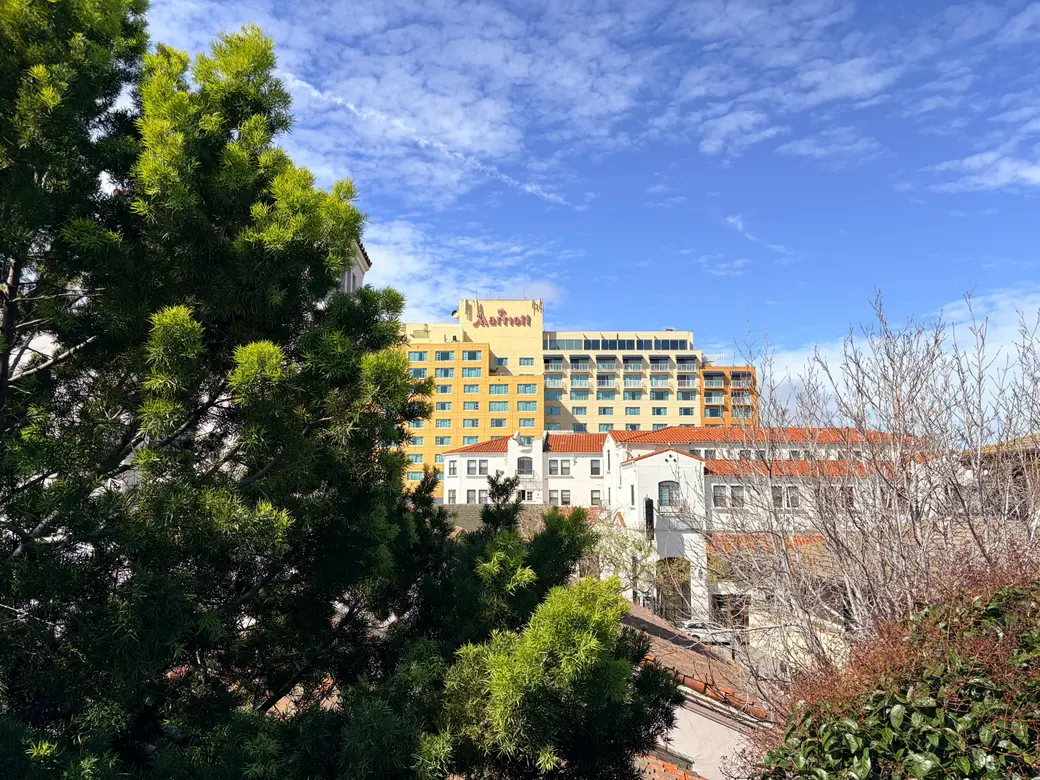
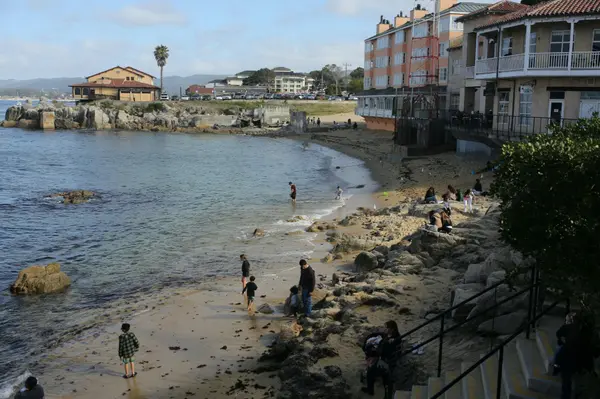
Monterey is larger and more urban than its neighbors. The historic waterfront, Cannery Row, Fisherman's Wharf, the downtown along Alvarado Street, the residential neighborhoods climbing above the bay with views across the water. Monterey has a breadth of character that the village-scale communities cannot offer. It is more diverse in its demographics, more active in its civic and cultural life, and more accommodating of the practical needs of daily living: a wider range of services, restaurants, and retail than you will find in either Carmel or Pacific Grove.
The price range is broader, reflecting the variety of neighborhoods and property types. Some areas of Monterey offer genuinely competitive pricing relative to the rest of the Peninsula. The presence of the Naval Postgraduate School, the Defense Language Institute, and California State University Monterey Bay nearby gives the city a demographic mix that the other communities lack — more transient in some ways, more intellectually varied in others. For buyers who want access to the Monterey Peninsula's natural environment and its cultural amenities but want to live in a city with real urban energy rather than a carefully preserved village, Monterey is the answer they may not have considered.
You are probably a Monterey person if you want urban energy alongside natural beauty, you value diversity of neighborhood and price point, and you feel more at home in a functioning city than in a curated village.
A Note on the Rest of the Peninsula
These three communities do not exhaust the options. Pebble Beach, within the gates of Del Monte Forest, has its own character as a golf-centric, forested enclave with some of the Peninsula's most dramatic properties and its own HOA structure. Carmel Valley sits inland, above the marine layer, and offers more sun, more land, and a quieter rural pace than any of the coastal communities. Carmel Highlands offers clifftop coastal drama at a premium. Each has its own trade-offs and its own appeal, and the same principle applies: the right choice is the one whose daily life matches the life you want.
The Conversation That Helps You Choose
If you have read through these portraits and still are not certain, the most useful next step is a direct conversation with someone who knows all three communities well and has watched buyers make this decision many times. The Ruiz Group operates across the Monterey Peninsula and has genuine familiarity with who thrives and what does not in each community — by price point, by lifestyle, by renovation plans, and by what buyers most want their daily life here to feel like.
Related reading: What Nobody Tells You Before Moving to the Monterey Peninsula · Nine Worlds: Understanding the Microclimates of the Monterey Peninsula · Living in Carmel: Your Guide to Schools, Culture, Recreation, and Daily Life
Categories
Recent Posts


GET MORE INFORMATION
