
- /
Life In Pebble Beach

Most people who have not lived in Pebble Beach know it through two things: the golf courses and 17-Mile Drive. Both are real and both are genuinely extraordinary. But they describe Pebble Beach the destination, not Pebble Beach the residential community. The buyers who are considering a purchase here deserve a clearer picture of what the place actually involves on an ordinary Tuesday.
The Physical Setting
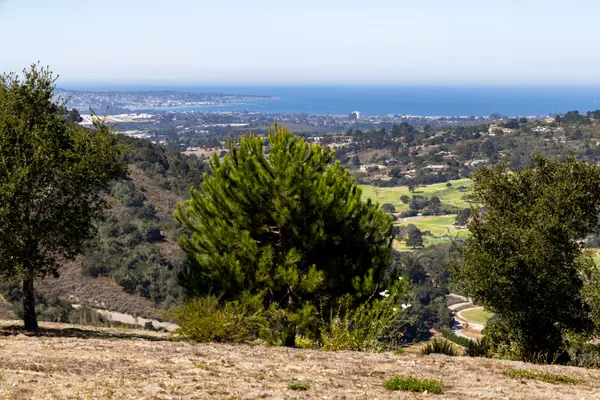
Pebble Beach occupies approximately 5,300 acres of Del Monte Forest within the unincorporated portion of Monterey County, bordered by the Pacific on one side and the incorporated cities of Carmel and Pacific Grove on the others. The forest is dense Monterey pine and cypress, and it gives the community a character that is immediately distinct from the open coastal terrain of Pacific Grove or the village scale of Carmel. Living in Pebble Beach means living inside a forest that happens to contain some of the most celebrated golf courses in the world.
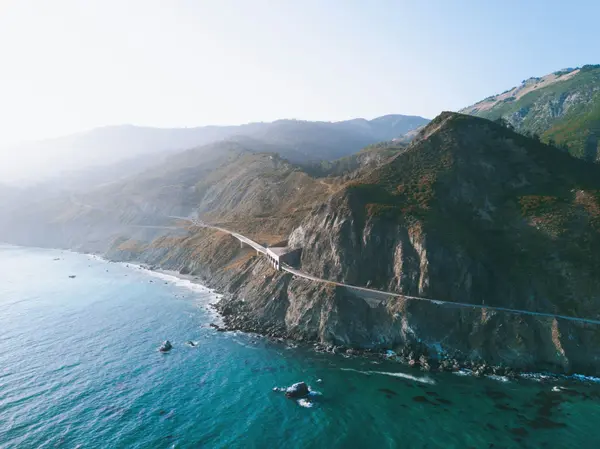
17-Mile Drive is the community's primary scenic road, running along the coastline through the forest past the signature ocean-view points that most visitors recognize. Residents drive it regularly as a matter of access rather than as a scenic excursion. The iconic views — Lone Cypress, Stillwater Cove, the courses themselves — are the backdrop of daily life here rather than destinations.
The climate is coastal and similar to Pacific Grove, with morning fog common during the summer months and mild temperatures year-round. The forest provides more shelter from wind than the open coastal communities, and the sense of being enclosed by trees rather than exposed to the ocean gives Pebble Beach a more private, secluded feel than its neighbors.
The Gates
Pebble Beach is a gated community. The entrances are staffed, and access requires either a resident sticker, a golf tee time, a reservation at one of the resort facilities, or a payment of the 17-Mile Drive entrance fee for visitors.
The gates provide a genuine sense of security and privacy that most residential communities cannot replicate. There is no through traffic, no cut-through commuters, and no random pedestrian access. The roads inside the gates are well-maintained, quiet, and shared primarily by residents and resort guests. Many Pebble Beach homeowners cite the gated structure as one of the primary reasons they chose this community over comparable coastal alternatives.
The cost structure reflects the infrastructure this provides. The Pebble Beach Company charges community services fees that cover road maintenance, gate operations, and other shared services. These fees are a meaningful ongoing cost that buyers should confirm for any specific property and include in their carrying cost model. They are not optional and they have historically increased over time.
The gates provide something most communities cannot replicate. The costs that come with them are real and should be understood before purchase, not after.
The Golf
The golf at Pebble Beach is genuinely world-class, and it is available to residents in ways that are not available to visitors. Homeowners within Del Monte Forest have access to the Pebble Beach Lodge member programs and to the private clubs within the community, including Cypress Point Club and Monterey Peninsula Country Club, subject to membership availability and initiation.
For a buyer who plays golf seriously, the residential access to this level of golf is one of the most compelling aspects of living in Pebble Beach and one that cannot be replicated elsewhere. The experience of playing Spyglass Hill or Poppy Hills on a weekday morning as a resident, rather than as a visitor paying daily rates, is materially different — in cost, in access, and in the social fabric that develops among people who share the courses regularly.
For a buyer who does not play golf, Pebble Beach is still a compelling community, but the golf infrastructure that drives so much of the community's identity and premium is less directly relevant to daily life. The beauty of the setting, the gated privacy, and the quality of the physical environment remain regardless of whether the courses are used.
Daily Life
Getting in and out: The gates mean that every trip in or out of the community involves passing through a staffed entrance. For residents, this is a minor routine. For guests and service providers, it requires coordination. Buyers who expect frequent visitors or who depend on regular service calls from tradespeople should understand that the access logistics require more advance communication than in an ungated neighborhood.
Retail and services: Pebble Beach has the resort facilities — restaurants, the spa, the pro shops — but no grocery store, no pharmacy, and no daily retail within the gates. Carmel and Pacific Grove, both within ten to fifteen minutes, supply what daily life requires. This is not a hardship for most residents, but it is a practical reality worth knowing.
The forest and wildlife: The Del Monte Forest is home to deer, foxes, and a range of coastal birds that become part of the daily landscape of living here. The forest also means that properties require more ongoing maintenance than those in open coastal settings — fallen branches, pine needles on roofs and gutters, and moisture in shaded areas are persistent realities. Deferred maintenance accumulates faster here than in drier or more open environments.
The STR landscape: Pebble Beach falls under unincorporated Monterey County jurisdiction. The 2024 county STR ordinance applies, and new commercial short-term rental permits in the residential areas of the Del Monte Forest are subject to the same cap and restrictions that apply across unincorporated county land. Buyers considering a short-term rental strategy should confirm current permit availability before purchasing.
Is Pebble Beach Right For You?
Pebble Beach is genuinely the right choice for a specific kind of buyer: someone who values extraordinary natural setting, genuine privacy, gated security, and, for those who play, access to world-class golf that is simply unavailable anywhere else on the Monterey Peninsula. For that buyer, the carrying costs, the daily logistics of the gates, and the practical limitations of life inside the forest are acceptable trade-offs that most residents make without regret.
For buyers who prioritize walkable daily access, a village-scale community, or the immediate proximity of the ocean without forest intermediary, the coastal communities may be a better fit. The Ruiz Group knows Pebble Beach's residential market in detail and is happy to walk through the specific trade-offs for any buyer who is weighing it against the alternatives.
Related reading: Pacific Grove vs. Carmel vs. Monterey: Which Town Fits Your Life? · The Real Cost of Owning a Second Home on the Monterey Peninsula · How Short-Term Rental Rules Vary Across the Monterey Peninsula
Categories
Recent Posts
GET MORE INFORMATION
