
- /
Vacation Rental vs. Long-Term Rental: How to Decide For Your Monterey Peninsula Property

For owners of Monterey Peninsula properties that qualify for both short-term and long-term rental use, the decision between the two models is not primarily a question of which one generates more gross income. It is a question of which one generates better net income for this specific property, this specific owner, and this specific set of priorities.
The short-term rental often wins on gross revenue. The long-term rental often wins on net revenue after management costs, turnover expense, and the value of the owner's time are accounted for. Which model makes more sense depends on variables that are specific to each situation.
The Gross vs. Net Income Question
A Monterey Peninsula property in a permissive STR jurisdiction can generate meaningfully higher gross revenue as a vacation rental than as a long-term rental. Peak-season nightly rates for a well-located three-bedroom home can produce monthly gross income that substantially exceeds what a comparable long-term tenant would pay. On paper, the short-term model looks decisive.
The net income picture is more complicated. Short-term rentals carry a management cost structure that is fundamentally different from long-term rentals. Professional STR management fees typically run 20 to 35 percent of gross revenue, compared to 8 to 12 percent for long-term management. Cleaning fees between each stay, consumables and supplies, higher wear on interiors and linens, more frequent maintenance cycles, and the cost of keeping the property fully furnished and guest-ready add additional expense that does not exist in a long-term tenancy.
Vacancy risk is also structured differently. A long-term tenant provides predictable income for the duration of the lease. A short-term rental produces income only when booked, and occupancy rates on the Monterey Peninsula vary significantly by season. Summer and Concours d'Elegance week may be fully booked. February may not. The annual net income from an STR requires an honest occupancy projection, not a best-case-scenario calculation.
The comparison that matters: net annual income after all expenses, including management, cleaning, supplies, maintenance, and a realistic vacancy allowance. For many Monterey Peninsula properties, this comparison is closer than the gross revenue figures suggest, and in some cases the long-term rental nets more despite a lower gross.
What the Property Itself Tells You
Not every Monterey Peninsula property is equally suited to both models. The physical characteristics of the home, its location within the community, and its amenity profile tend to favor one model over the other.
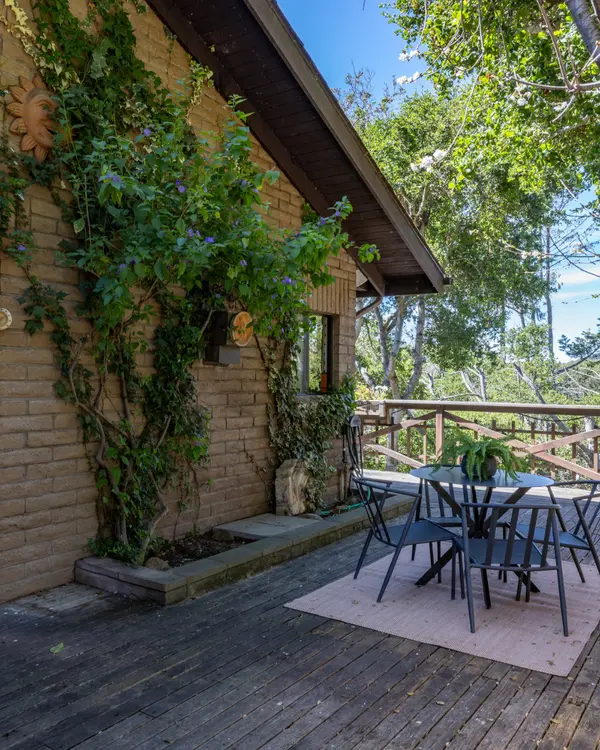
Properties that tend to perform better as STRs: Homes with strong visual appeal, distinctive character, or premium location — oceanfront, near 17-Mile Drive, within walking distance of Carmel village — where guests will pay a significant premium for the experience of staying in a specific place. Properties with outdoor entertaining areas, well-appointed kitchens, and a guest-ready aesthetic. Properties where the owner is comfortable with strangers occupying their home regularly and with the higher turnover and wear that accompanies it.
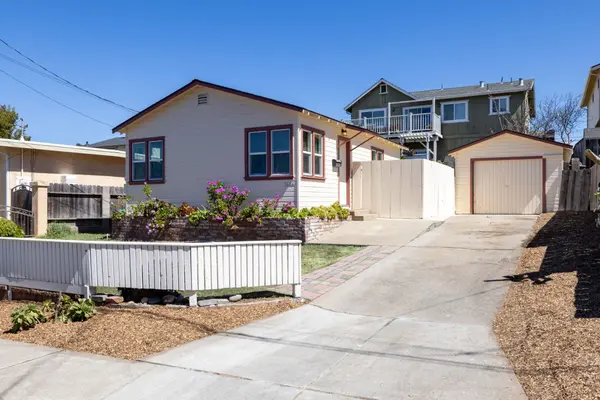
Properties that tend to perform better as long-term rentals: Homes in residential neighborhoods where the STR experience does not justify a significant nightly premium over the long-term rental rate. Properties with functional rather than aspirational interiors where the cost of maintaining guest-ready presentation is not offset by STR pricing power. Properties where the owner values consistent income, predictable maintenance demands, and a single tenant relationship over maximizing revenue per night.
Properties with ADUs or secondary units: As covered in the rental math post in this blog, income-producing configurations perform differently from single-unit homes in both rental models. A property with a primary unit and a secondary unit may be well-suited to a hybrid approach — long-term tenant in one unit for stability and income floor, STR in the other for revenue upside — where the jurisdiction permits it.
The short-term rental often wins on gross revenue. The long-term rental often wins on net revenue. Which one is right depends on the specific property, the specific owner, and the specific priorities.
What the Owner's Situation Tells You
Beyond the property itself, the owner's own situation is a significant input into this decision.
Personal use intentions: An owner who plans to use the property occasionally faces a fundamentally different calculus for the STR model. Long-term tenants occupy the property continuously and cannot be displaced for owner visits without the notice and legal process that California tenancy law requires. An STR allows the owner to block their own dates. For owners who bought a Monterey Peninsula property partly for their own enjoyment and want to access it on a regular basis, the STR model provides flexibility that a long-term tenancy does not.
Management capacity and appetite: Running a successful short-term rental is not passive. Even with professional management, the owner is involved in pricing decisions, property maintenance between guests, supply replenishment, and the ongoing presentation quality that drives guest reviews and repeat bookings. An owner who wants a genuinely hands-off investment is better served by a long-term tenancy with professional management than by an STR that requires ongoing attention regardless of who is doing the day-to-day work.
Tax treatment: The tax treatment of STR income differs from long-term rental income in ways that a CPA should evaluate for each owner's specific situation. Short-term rentals rented for fewer than 15 days per year receive different treatment than those rented more frequently. The depreciation schedule, deductible expense categories, and passive activity rules all interact differently depending on the rental structure and the owner's overall tax position. This is not a reason to avoid either model, but it is a reason to have the tax conversation before the rental model is selected.
A Framework for Making the Decision
The decision between vacation rental and long-term rental for a Monterey Peninsula property is made well when it is made with accurate numbers, an honest assessment of the property's STR potential, and a clear-eyed view of the owner's own preferences and capacity.
The questions worth answering before deciding: What is the realistic net annual income from each model, using actual expense rates and honest occupancy projections rather than optimistic assumptions? Does the property's character and location justify a meaningful STR premium over long-term rental rates, or is the gross income difference smaller than it appears? How much of the owner's time and attention does each model realistically require, and does that match what the owner actually wants to provide? And if the owner has personal use intentions, which model accommodates those intentions without creating legal or relationship complications?
The Ruiz Group can help owners work through this comparison for a specific Monterey Peninsula property, including a current market rental rate assessment for both models and an honest evaluation of the property's STR appeal relative to what the local market currently supports.
Related reading: Can You Actually Make Money Renting a Home on the Monterey Peninsula? · How Short-Term Rental Rules Vary Across the Monterey Peninsula · What Monterey Peninsula Tenants Want (And What Owners Get Wrong)
Categories
Recent Posts








GET MORE INFORMATION
