
- /
Homes Without Sewers: All About Septic Systems
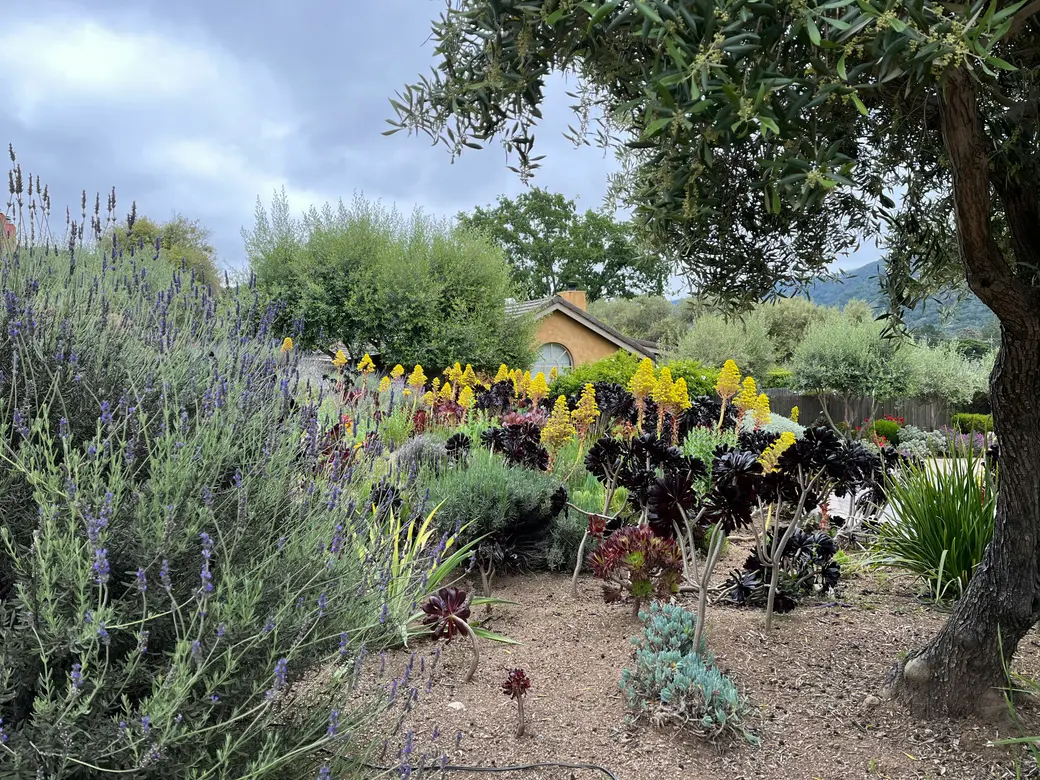
Outside of denser neighborhoods, a significant number of properties rely on septic systems to manage wastewater. These systems operate underground and, when functioning properly, most homeowners rarely think about them.
But when buying a property, understanding how a septic system works and what condition it is in can be an important part of evaluating the home.
What a Septic System Does
A septic system is a self-contained wastewater treatment system located on the property itself.
Water from sinks, showers, toilets, and washing machines flows into a septic tank where solids settle and begin to break down. The remaining liquid then moves into a drain field, where it gradually filters through soil.
When properly designed and maintained, the system works with very little visible impact.
Many homeowners live with septic systems for decades without major issues.
Where Septic Systems Are Common
Septic systems are especially common in areas where extending municipal sewer infrastructure would be difficult or environmentally disruptive.
On the Monterey Peninsula, they frequently appear in communities such as Carmel Valley, on hillside properties near Carmel-by-the-Sea, and in parts of Big Sur.
In these areas, septic systems are simply part of how homes function.
The Inspection Process
Because septic systems operate underground, buyers typically rely on inspections to evaluate them during a real estate transaction.
A typical septic inspection may involve:
• pumping the tank
• checking structural integrity
• evaluating the drain field
• measuring system capacity
In some cases, the inspection reveals a system that is functioning perfectly well.
In others, it may uncover aging components or limitations that buyers should understand before moving forward.
Capacity and Expansion Limits
One of the most important details about a septic system is its capacity.
Systems are typically designed to handle wastewater from a specific number of bedrooms. That design capacity can influence future renovations or expansions.
For example, adding bedrooms or expanding a home may require confirmation that the septic system can support the additional load.
If it cannot, upgrades may be necessary.
Environmental Considerations
Because septic systems interact with soil and groundwater, they are subject to oversight from local environmental health authorities.
On the Monterey Peninsula, oversight often comes from Monterey County Environmental Health Bureau.
Regulations exist to protect water quality, particularly in environmentally sensitive coastal and rural areas.
Why Buyers Sometimes Feel Uncertain
For buyers accustomed to city sewer systems, septic systems can feel unfamiliar at first.
In reality, they are extremely common throughout California and many other parts of the country.
Like any infrastructure, they simply require an understanding of how they work and periodic maintenance over time.
The Ruiz Group Perspective
At The Ruiz Group, we encourage buyers to view septic systems as another part of a property’s infrastructure, similar to a roof, foundation, or heating system.
The key questions are straightforward:
How old is the system?
Is it functioning properly?
Does it support the home as it exists today?
With the right information, septic systems rarely need to be a source of anxiety.
On the Monterey Peninsula, they are simply one of the many ways homes adapt to the landscape around them.
Categories
Recent Posts







GET MORE INFORMATION
