
- /
Seaside and Marina: The Underrated Neighborhoods
Most buyers who come to the Monterey Peninsula with a real estate search in mind have a list that includes Carmel, Pacific Grove, Pebble Beach, and sometimes Monterey. Seaside and Marina are rarely on it. They are the communities that buyers drive through on the way to somewhere they have already decided they want to be.
That overlooked status is, for buyers who take the time to look seriously, one of the most significant opportunities on the Peninsula. Seaside and Marina offer access to the same coastline, the same trails, the same proximity to the cultural and natural amenities that make this part of California worth living in — at a price point that reflects their position outside the tourist economy rather than any meaningful deficiency in the quality of life they offer.
Seaside: The City That Built Itself
Seaside sits directly north of Monterey, bordered by the bay to the west and the Fort Ord lands to the east. It is the most densely populated city on the Monterey Peninsula — a community shaped over decades by the military families who lived at Fort Ord and by the diverse population that replaced them when the base closed in 1994.
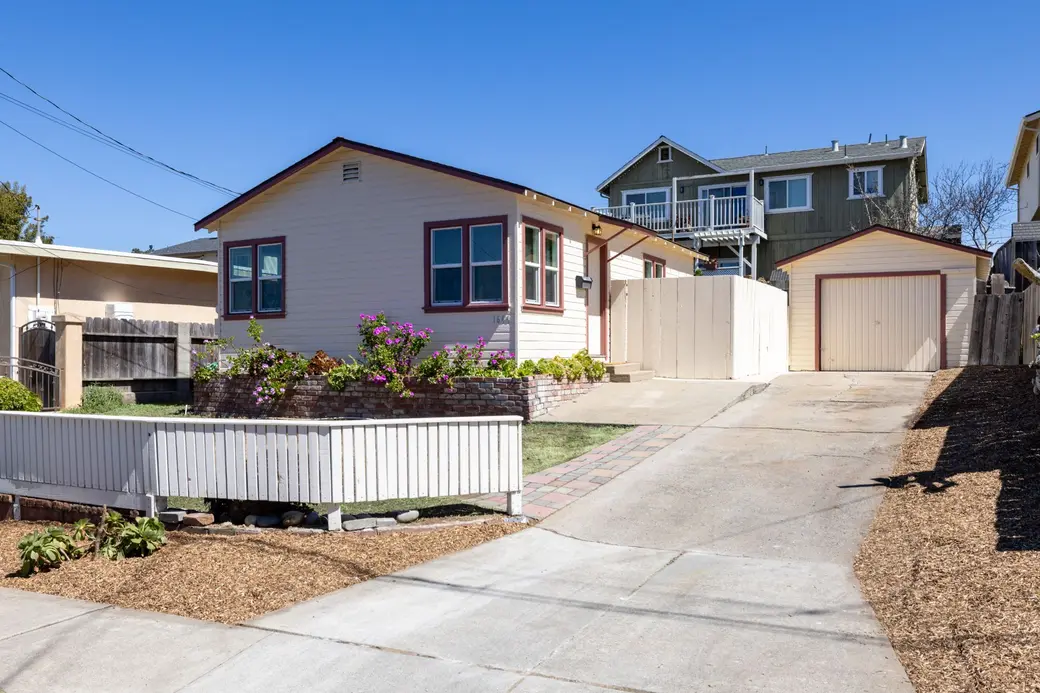
The housing stock in Seaside reflects that history: a mix of postwar bungalows and ranch-style homes, mid-century construction on modest lots, and more recent infill development as the city has grown into the former base lands. Properties here offer more square footage per dollar than any other community on the Peninsula, and the lots tend to be larger than what comparable budgets buy in Monterey or Pacific Grove.
The coastal access is real and often underestimated. Seaside's bayfront, including the stretch of sand at Seaside State Beach, is part of the same Monterey Bay coastline that draws buyers to Pacific Grove and Monterey. The path along the bay is walkable from residential neighborhoods in the city's western portions, and the proximity to the recreation, trails, and natural amenities of the broader Peninsula is essentially the same as in the more expensive communities to the south.
What Seaside lacks compared to Carmel or Pacific Grove is the village walkability and the architectural character of the historic coastal communities. There is no equivalent of Ocean Avenue or Lighthouse Avenue. The commercial strips reflect a working city rather than a resort destination. Buyers who are primarily seeking those qualities will not find them here. Buyers who are primarily seeking square footage, land, coastal proximity, and community at a price that reflects honest value rather than a premium for a famous address consistently find that Seaside delivers more than they expected.
Marina: The Fort Ord Transformation
Marina is Seaside's neighbor to the north, and its story over the past three decades is one of the more interesting transformations on the California coast. When Fort Ord closed in 1994, Marina lost the economic base that had defined the community since World War II. What replaced it — slowly, imperfectly, and with considerable effort — was something more interesting: a college town built on former military land, with California State University Monterey Bay as its anchor and a residential community that has grown substantially around it.
The CSUMB campus occupies a significant portion of the former Fort Ord land and brings to Marina the kind of institutional energy that college towns generate and that older, established communities often lack. The residential neighborhoods that have developed around the campus range from the former military housing that has been converted and renovated to newer development on land that was entirely undeveloped before the base closed.
The price point in Marina is the most accessible on the Monterey Peninsula by a meaningful margin. Buyers who cannot find a path into Monterey or Pacific Grove at their budget find that Marina, with its own coastal access, its proximity to the broader Peninsula, and its genuine community character, offers a legitimate alternative rather than a consolation prize.
Seaside and Marina offer access to the same coastline and the same Peninsula amenities at a price point that reflects their position outside the tourist economy. That gap is the opportunity.
The Fort Ord Context: Land, Trails, and Ongoing Development
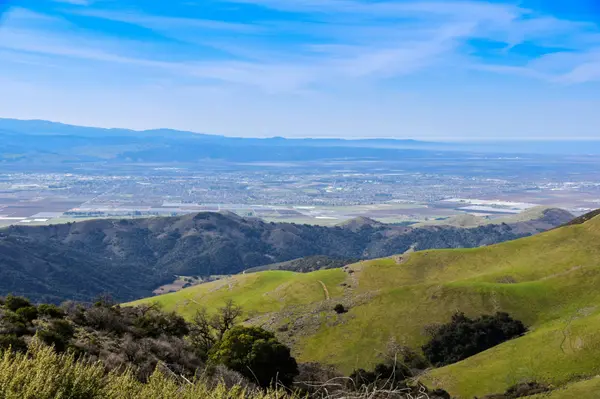
The closure of Fort Ord created one of the largest base conversion projects in California history and one that is still unfolding three decades later. The former base lands stretch across roughly 28,000 acres between Seaside and Marina, and their conversion has produced a mix of outcomes that directly affect residential buyers in both communities.
The Fort Ord National Monument: Approximately 7,200 acres of the former base have been designated as a national monument managed by the Bureau of Land Management. The monument contains over 86 miles of trails through oak woodland, chaparral, and coastal scrub, accessible from trailheads in both Seaside and Marina. For residents who prioritize access to natural open space and trail systems, the monument represents an extraordinary amenity — one that is largely unknown to buyers focused on the coastal communities to the south.
CSUMB and the university district: The university brings approximately 7,000 students and significant faculty and staff to Marina and the surrounding area. The economic activity generated by the campus has supported the development of retail, dining, and service businesses in Marina that did not exist before CSUMB arrived. It has also created a rental market for both student and faculty housing that gives investment property buyers in Marina a reliable demand base.
Ongoing development: The former base lands continue to be developed for residential, commercial, and mixed-use purposes under the oversight of the Fort Ord Reuse Authority. Several large residential projects have been completed in recent years, and additional development is planned. Buyers in Marina particularly should understand both the opportunity and the infrastructure implications of purchasing in a community that is still in active transformation — some of the amenities that will serve completed neighborhoods are not yet built.
Evaluating Seaside & Marina
The buyers who find genuine satisfaction in Seaside and Marina tend to share a few characteristics. They value square footage and land over village walkability. And they are interested in the natural amenities of the broader Peninsula — the trails, the bay, the coastal access — rather than specifically in the social environment of Carmel or Pacific Grove.
Buyers who cannot access the Peninsula's more expensive communities find in Seaside and Marina a legitimate entry point into one of California's most compelling places to live. Those returning to the area after service at the Defense Language Institute or other installations often choose Seaside for its familiarity and its value. CSUMB faculty and staff who want to live near the campus find Marina's combination of proximity and price point difficult to match elsewhere on the Peninsula.
Investors find in both communities a rental market with consistent demand — from military personnel, university community members, and service workers who support the broader Peninsula economy but cannot afford to live in its more expensive communities — and price points that produce cap rates meaningfully better than what the coastal communities offer.
Worth a Serious Look
The buyers who discover Seaside and Marina seriously — who spend an afternoon in each, walk the trails at the Fort Ord monument, drive the bay frontage, and sit down with the real numbers — consistently say the same thing: they did not know this was here. The Monterey Peninsula's reputation is built on Carmel and Pebble Beach, and those communities deserve it. But the Peninsula is larger than its most famous addresses, and the communities at its northern end offer a quality of life that the listings in the south do not make visible to buyers who have not looked.
The Ruiz Group sells across the Monterey Peninsula, including in Seaside and Marina. If you are evaluating these communities seriously and want a current picture of what is available and what daily life looks like from within them, that conversation is available.
Related reading: Where to Live in Monterey: A Neighborhood Guide · Where Locals Eat in Seaside, Marina, and Salinas · The Monterey Peninsula's Best Hiking and Walking
Categories
Recent Posts
GET MORE INFORMATION
