
- /
Buying Tenant-Occupied Property in California
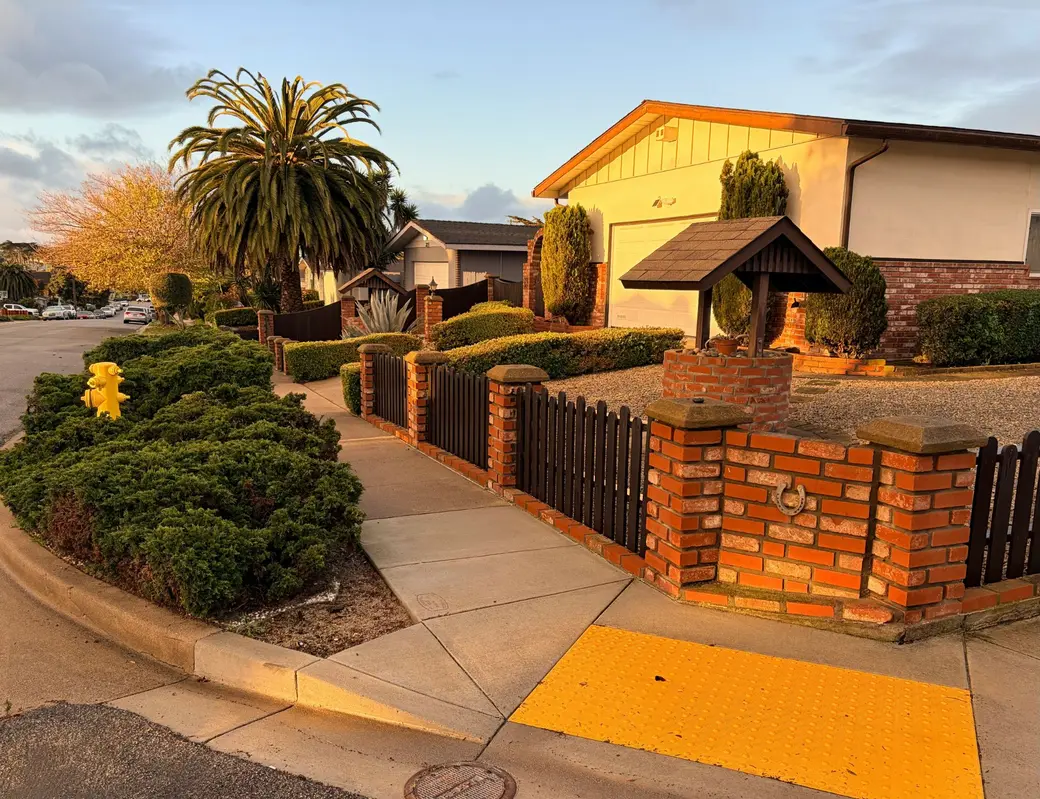
When a buyer purchases a tenant-occupied property in California, they are purchasing the property and the tenancy simultaneously. The tenant's rights, the lease terms, and California's full framework of residential tenant protections transfer to the new owner at the moment the deed records.
The buyers who discover the constraints after closing, when they have already committed to the transaction, have significantly fewer options than those who understood the landscape in advance.
What the Seller Must Disclose
California law requires sellers of residential property to disclose the existence of any tenant and provide a copy of the current lease or rental agreement as part of the transaction. If the property is subject to any local or state rent control ordinance, that status must be disclosed. Known habitability issues, pending code enforcement actions, and any outstanding disputes with the tenant must be disclosed through the standard California Transfer Disclosure Statement.
Beyond the statutory minimum, buyers should actively request additional documentation before releasing contingencies. The written lease or rental agreement is the starting point. The buyer should also request any written communications between the seller and tenant, any notice history, any repair requests or complaints on record, and confirmation of whether the security deposit has been maintained and in what amount.
A seller who conceals a problematic tenancy, a pending dispute, or a habitability issue that has been reported but not remediated is creating legal exposure for themselves. A buyer who fails to request this documentation before releasing contingencies is accepting unknown risk. The due diligence window in escrow is the time to ask for it, not after.
Inspecting a Tenant-Occupied Property During Escrow
Inspecting a tenant-occupied property is more operationally complex than inspecting a vacant one. California law gives tenants the right to quiet enjoyment, which means they cannot be subjected to unreasonable or excessive entry during the sale process. Entry requires at least 24 hours written notice and must occur during normal business hours unless the tenant agrees otherwise.
Buyers should account for this in the inspection contingency timeline. Coordinating inspections with an occupied tenant takes more scheduling lead time than a vacant property. If multiple inspections or specialist visits are needed, each requires its own notice and coordination. Build this into the contract timeline rather than assuming it can be compressed.
The tenant's cooperation during the sale process is itself useful information. A tenant who is communicative and accommodating about access is signaling something about the tenancy being inherited. A tenant who is obstructive, who refuses reasonable access, or who is openly hostile to the sale is also signaling something. Neither observation is the whole picture, but both are relevant context for understanding what the buyer is taking on.
What Happens to the Lease at Closing
The existing lease transfers to the new owner at the moment the sale closes. The buyer steps directly into the seller's position as landlord and is bound by the same terms the seller agreed to, with no right to modify them unilaterally simply because the property changed hands.
Fixed-term leases: A fixed-term lease survives the sale and cannot be terminated by the new owner because of the change in ownership. If a tenant has a lease through October with eight months remaining, the new owner is obligated to honor those eight months on the same terms. Planning that depends on occupying or relofting the property before that date needs to account for this reality.
Month-to-month tenancies: A month-to-month tenancy gives the new owner more flexibility, but California's notice requirements and, where applicable, just-cause eviction protections still apply. The owner cannot simply decline to renew a month-to-month tenancy without following the legally required process.
Security deposit: The security deposit transfers with the property. The new owner receives it from the seller at closing and becomes responsible for handling it in compliance with California law when the tenancy eventually ends, including the requirement to return it or provide an itemized accounting within 21 days of the tenant's departure.
Buying a tenant-occupied property in California means buying the tenancy, not just the real estate. Understanding what that tenancy includes is not optional due diligence. It is the due diligence.
AB 1482
The Tenant Protection Act of 2019, commonly called AB 1482, is the most significant piece of California residential landlord-tenant legislation in decades and the framework that most directly affects buyers of tenant-occupied residential property. Every buyer considering a tenant-occupied purchase should understand whether the property is subject to it and what that means.
AB 1482 applies to most California residential rental properties that are more than 15 years old. Key exemptions include single-family homes and condominiums where the owner has provided the tenant with written notice of the exemption, new construction within 15 years of the certificate of occupancy, and certain other property types. The exemption language matters: a single-family home may be exempt, but only if the required notice has been properly provided. A buyer acquiring an AB 1482-covered property inherits both its protections and its obligations.
For properties covered by AB 1482, two provisions are directly relevant to buyers.
Rent increase limits. Annual rent increases are capped at 5% plus the local Consumer Price Index, with a maximum of 10% per year. A buyer who purchases expecting to bring rents to market rate quickly on a covered property will find that path substantially constrained.
Just-cause eviction requirements. After a tenant has lived in a covered property for 12 months, the owner may only terminate the tenancy for specified just-cause reasons. These include non-payment of rent, material lease violations, and certain no-fault causes including owner move-in. A buyer who intends to eventually occupy the property, rent it to a family member, or substantially remodel it must use one of the defined just-cause grounds and follow the associated process. Simply deciding not to renew the tenancy is not a permitted basis for termination on a covered property.
AB 1482 exemptions and provisions are subject to change, and some Monterey County jurisdictions may have additional local tenant protections that layer on top of state law. Verify current applicability with a California landlord-tenant attorney before purchasing.
If You Plan to Move In: Notice Requirements and Obligations
For a buyer who intends to occupy the property as their primary residence after purchase, the path is legally available but procedurally specific.
For tenancies of less than one year, California requires a minimum of 30 days written notice to terminate. For tenancies of one year or more, 60 days written notice is required. These are minimums. A tenant who disputes the notice, contests the owner's stated intent, or invokes local tenant protections can extend the process considerably.
For properties covered by AB 1482, owner move-in is a just-cause ground for termination, but it comes with specific requirements. The owner must intend to occupy the unit as their primary residence and must actually do so. The owner must provide relocation assistance equal to one month's rent at the time of the notice. And if the owner fails to occupy the unit within 90 days or vacates within 12 months without a documented qualifying reason, the tenant has legal recourse.
A buyer who plans to move in should understand the full timeline: serve notice, wait the required period, provide relocation assistance, and complete the move-in. On a long-term tenancy in a covered property, that process can take several months from initiation to occupancy. Building that timeline into the purchase decision, rather than discovering it after closing, is the appropriate sequence.
Owner move-in requirements vary by jurisdiction and tenancy history. A real estate attorney should review the specific property's status and tenancy terms before any notice is served.
The Professional Team This Transaction Requires
A tenant-occupied purchase in California is a transaction that benefits meaningfully from a real estate attorney who specializes in California landlord-tenant law, in addition to the standard escrow, title, and agent team. The attorney reviews the existing lease for provisions that affect the buyer's options, confirms the property's status under AB 1482, advises on the notice timeline if occupancy is planned, and ensures the buyer enters the transaction with a complete picture of their obligations.
The Ruiz Group works regularly with tenant-occupied properties on the Monterey Peninsula, in both acquisition and sale contexts, and can connect buyers and sellers with the right legal resources before the transaction proceeds rather than after a problem has already emerged. That sequencing consistently produces better outcomes than the alternative.
Related reading: Can You Actually Make Money Renting a Home on the Monterey Peninsula? · How Short-Term Rental Rules Vary Across the Monterey Peninsula · Which Home Inspection Issues Actually Matter, And Which Ones Don't
Categories
Recent Posts









GET MORE INFORMATION
