
- /
To Permit or Not to Permit?
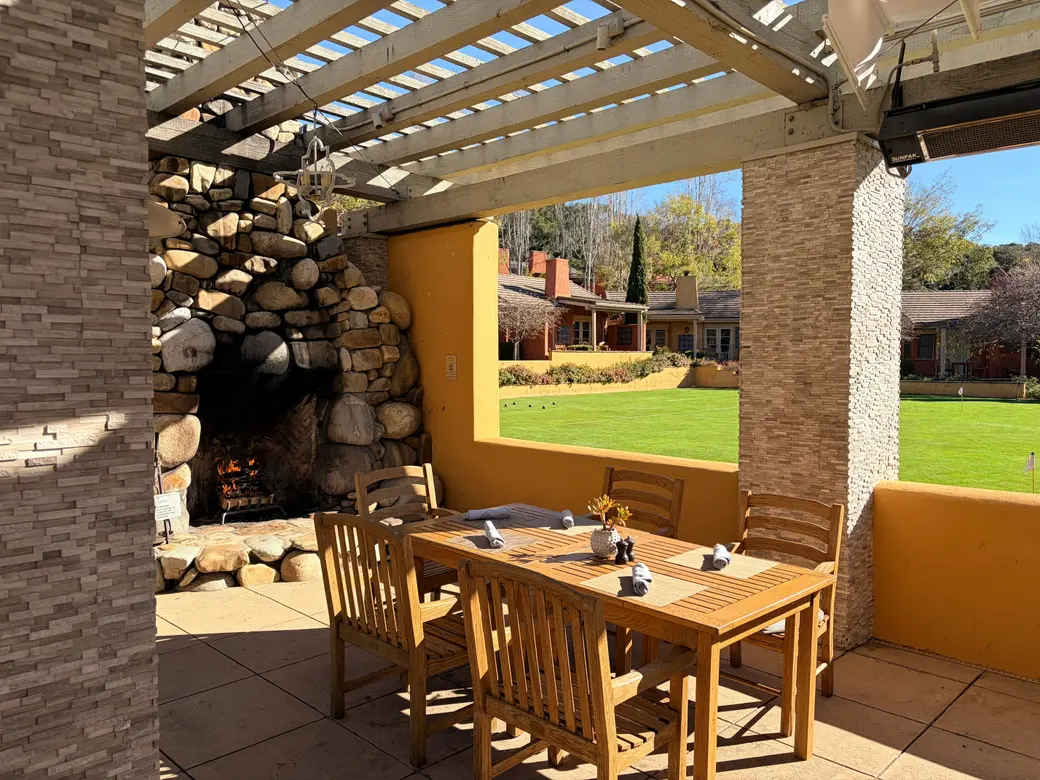
To Permit or Not to Permit?
Most homeowners do not wake up one morning intending to violate the building code.
What actually happens is this:
A contractor says, “We can do this without triggering permits.” A neighbor did something similar years ago. The work feels modest (almost invisible). A bathroom here, a wall there, a deck that barely changes the view. And in places like the Monterey Peninsula, where time, money, and regulatory complexity collide, the temptation to move forward quietly is real.
This piece is not an argument for or against permitting. It is an attempt to explain what permitting actually means here, how enforcement really works, what risks homeowners assume when they skip the process, and how to think through the decision with clear eyes.
Why Permits Feel So Heavy Here
Permitting is not universally painful. In some parts of the country, permits are routine, predictable, and fast. The Monterey Peninsula is not one of those places.
Across Carmel-by-the-Sea, Pebble Beach, Pacific Grove, Monterey, Carmel Valley, and Big Sur-adjacent areas, permitting exists at the intersection of:
-
Coastal regulations
-
Fire and life-safety requirements
-
Environmental review
-
Design review boards
-
Historic preservation rules
-
Infrastructure constraints that predate modern building expectations
Even small projects can trigger multiple layers of review. A bathroom remodel can involve plumbing, electrical, ventilation, and sometimes structural review. A deck can raise questions about setbacks, drainage, view corridors, or coastal access. In Carmel-by-the-Sea, design review alone can feel like its own discipline. In Pebble Beach, the Del Monte Forest Architectural Review Board adds another gate. In Big Sur-adjacent areas, the Coastal Commission looms large.
Permits feel heavy because they are heavy.
And that weight is precisely why homeowners ask the question in the first place.
What “Unpermitted” Actually Means
“Unpermitted work” is often spoken about as a single category. In reality, it covers a wide spectrum.
There is a meaningful difference between:
-
Cosmetic work that never required a permit
-
Work that technically required a permit but did not materially alter safety or structure
-
Work that bypassed structural, fire, or environmental review entirely
Painting, flooring, cabinetry, and many finish upgrades typically do not require permits. Structural changes, new plumbing lines, electrical upgrades, additions, conversions, and grading almost always do.
The risk is not that all unpermitted work is dangerous. The risk is that no governing body has confirmed whether it is or is not.
And that distinction matters later.
How Enforcement Actually Happens
Many homeowners assume enforcement is random or rare. In practice, it is usually triggered in one of three ways.
1. Visibility
Work that is visible from the street, from neighboring properties, or from public land attracts attention. Decks, exterior staircases, additions, grading, retaining walls, and exterior plumbing are more likely to raise questions than interior work.
In tightly packed areas like Carmel-by-the-Sea or Pacific Grove, visibility is amplified. In hillside or coastal zones, sightlines are longer and scrutiny is higher.
2. Complaints
Most enforcement begins with a complaint. Sometimes it comes from a neighbor. Sometimes from a passerby. Sometimes from another professional already on site for unrelated reasons.
Complaints are not always malicious. They can be curious, cautious, or procedural. But once a complaint is filed, the process is no longer informal.
3. Disclosure Events
Sales, refinances, insurance claims, and disaster-related inspections often surface unpermitted work. These moments force documentation into the open.
A bathroom that functioned quietly for years can become a focal point when square footage, bed and bath count, or replacement cost is scrutinized.
What Happens If Unpermitted Work Is Discovered
Discovery does not automatically mean disaster. But it does remove optionality.
Possible outcomes include:
-
A requirement to submit “as-built” plans
-
Retroactive permitting with current-code compliance
-
Partial demolition to expose concealed work
-
Full removal of non-compliant improvements
-
Fines or penalties, depending on jurisdiction
Retroactive permitting is often misunderstood. It is not a simple rubber stamp. In many cases, it requires opening walls, upgrading systems to modern standards, and resolving issues that did not exist when the work was originally done.
What once saved time and money can become slower and more expensive than doing it properly at the outset.
Jurisdictional Nuance Matters
The Monterey Peninsula does not operate as a single permitting environment.
-
Carmel-by-the-Sea is known for design sensitivity and detailed review, even for modest exterior changes.
-
Pebble Beach adds architectural oversight layered on top of county requirements.
-
Pacific Grove balances historic character with coastal regulation.
-
Monterey varies widely by neighborhood and zoning.
-
Carmel Valley introduces fire, grading, and access considerations that do not exist closer to the coast.
-
Big Sur-adjacent areas operate under some of the strictest environmental oversight in the state.
Rules may be written at the state or county level, but interpretation and enforcement are local.
Two identical projects can experience very different outcomes depending on where they sit.
Why Homeowners Still Take the Risk
Understanding the rules does not eliminate the temptation.
Permits add cost. They add time. They add uncertainty. They can force design compromises. They can reopen old questions about setbacks, density, or compliance that homeowners thought were settled decades ago.
For long-term owners who do not plan to sell, the risk can feel abstract. For modest projects, enforcement can seem unlikely. And for homeowners watching neighbors complete similar work quietly, noncompliance can start to feel normalized.
The Risks That Are Easy to Miss
The most underestimated risks are rarely fines.
They are:
-
Loss of leverage during a sale when buyers uncover discrepancies
-
Insurance complications when coverage does not align with reality
-
Financing issues when appraisals cannot credit unpermitted space
-
Forced upgrades triggered by retroactive review
-
Project scope creep once scrutiny begins
These risks are situational, not theoretical. They tend to surface at moments when homeowners have the least flexibility.
A Practical Framework for Decision-Making
Before proceeding without permits, homeowners should be able to answer the following questions clearly and honestly.
1. Does the work require a permit under current local rules? Assumptions are not enough. Requirements vary by jurisdiction and by scope.
2. How visible will the work be during and after construction? Visibility increases exposure.
3. What would retroactive compliance actually require? Assume today’s codes, not yesterday’s.
4. How long do you plan to own the property? Shorter timelines compress risk.
5. Would you be comfortable disclosing the work in detail later? Disclosure is not optional.
6. Are you prepared for the worst-case outcome, not just the best-case scenario? Optimism is not a strategy.
If these questions feel uncomfortable, that discomfort is information.
The Real Trade-Off
Permitting is about risk management.
Permits trade time, money, and patience today for certainty tomorrow. Skipping permits trades speed and control now for uncertainty later.
Neither choice is inherently right or wrong. But pretending they carry equal consequences is a mistake.
Final Thoughts
The Monterey Peninsula is not hostile to improvement. It is cautious. It protects character, safety, and landscape, sometimes clumsily, sometimes effectively.
Homeowners who understand this environment can make informed decisions. Those who do not often learn at the least convenient moment.
“To permit or not to permit” is not a question with a universal answer. It is a question that deserves a clear-eyed one.
And clarity, more than speed, is what protects homeowners in the long run.
Categories
Recent Posts






GET MORE INFORMATION
