
- /
The Reality of Private Roads
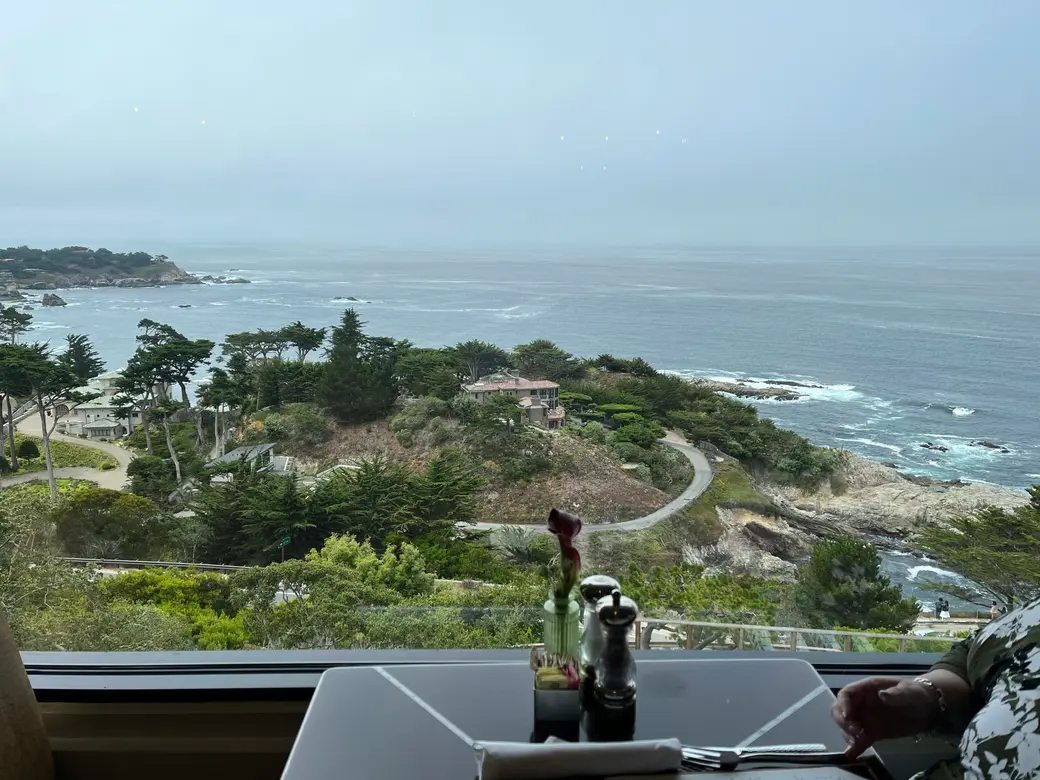
What Buyers Should Know Before Purchasing a Home Without Public Street Access
Not every home is reached by a public street.
Across the Monterey Peninsula, many properties are accessed by private roads. Some are quiet shared lanes. Others are longer rural driveways that serve multiple homes tucked into hillsides or forests.
In several ways, these roads are a luxury, enabling less traffic, more privacy, and a sense of retreat from the surrounding town.
But private access also introduces questions that many buyers do not think to ask until much later in the process.
What “Private Road” Actually Means
When a home sits on a private road, the street itself is typically not maintained by the city or county.
Instead, responsibility falls to the property owners who rely on that road for access.
Sometimes the arrangement is simple. A few neighbors share maintenance informally.
Other times, the obligations are spelled out through recorded agreements attached to each property’s title.
Those agreements may address:
• road maintenance
• debris removal
• drainage repairs
• shared costs for resurfacing
• easements for utilities
Understanding those obligations can be an important part of evaluating the property.
Why Access Matters Legally
Every property must have legal access.
In many cases, that access exists through a recorded easement allowing the homeowner to travel across another parcel to reach the road.
These easements are common and usually straightforward. But they are still important to confirm during due diligence.
Without clearly documented access rights, financing, resale, and even insurance can become complicated.
The Maintenance Question
One of the biggest surprises for buyers involves road maintenance.
Public streets are maintained through taxes. Private roads are not.
If a road deteriorates, develops drainage problems, or requires repaving, the cost is typically shared among the homeowners who rely on it.
For shorter lanes serving only a few houses, this can be manageable.
For longer hillside roads, the expenses can occasionally be significant.
Emergency and Fire Considerations
Access also affects safety planning.
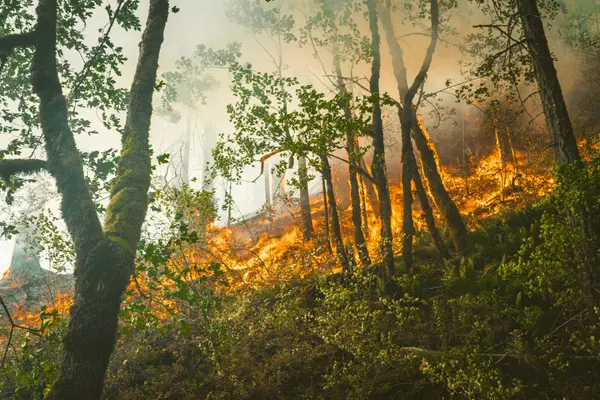
In areas of the Monterey Peninsula that face wildfire risk, road width, turnaround space, and vegetation clearance can matter.
Local fire authorities sometimes evaluate these factors when reviewing building permits or approving new construction.
These requirements are especially relevant in more rural areas such as Carmel Valley and hillside properties outside Monterey.
When Private Roads Are an Asset
Despite the added considerations, many buyers actively seek homes on private roads.
They often provide a sense of seclusion that is difficult to find on busier streets.
In places like Pebble Beach, private access roads are common and contribute to the character that attracts homeowners in the first place.
The Ruiz Group Perspective
At The Ruiz Group, private road access is something we always explore early when evaluating a property, asking questions like:
- Who maintains the road?
- How are the costs distributed?
- Are access rights clearly documented?
- Is there a formal road agreement?
Most of the time, the answers are reassuring.
But asking those questions early helps ensure buyers fully understand how the property functions beyond the front door.
On the Monterey Peninsula, some of the most beautiful homes are reached by roads that feel almost hidden.
Knowing how those roads work is part of owning them with confidence.
Categories
Recent Posts
GET MORE INFORMATION
