
- /
The Myth of “Grandfathered”

“Don’t worry, it’s grandfathered.”
It is one of the most reassuring phrases in real estate.
Buyers hear it when a home has a nonconforming feature, an addition that doesn’t match current codes, or a structure built under older regulations. The implication is simple: whatever exists today is protected.
On the Monterey Peninsula, that assumption is often only partially true.
“Grandfathered” status, more formally called legal nonconforming use, allows certain existing features to remain. But it does not always guarantee they can be altered, expanded, or rebuilt in the future.
Understanding that distinction can be critical.
What “Grandfathered” Actually Covers
A structure or feature is typically considered grandfathered when it was built legally under the rules in place at the time, but no longer complies with current regulations.
Common examples include:
• homes built closer to property lines than today’s setbacks allow
• structures exceeding current height limits
• older guest units or additions that predate current zoning rules
These features are usually allowed to remain as they are.
However, that is where the protection often ends.
What Happens When You Make Changes
One of the most important limitations of grandfathered elements involves what happens when a homeowner wants to modify them.
In many cases:
• expanding a nonconforming structure is restricted
• major remodels can trigger compliance with current codes
• rebuilding after significant damage may require full conformity
For example, a home that sits closer to a property line than current rules allow may not be permitted to expand further in that direction.
The existing condition is tolerated.
It is not always extendable.
When Damage Changes Everything
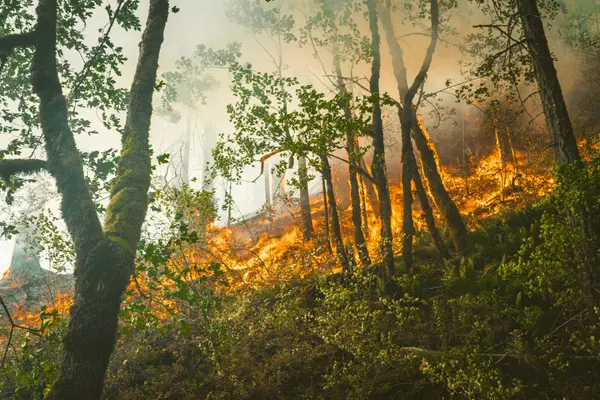
Another overlooked issue arises when a structure is damaged.
If a home or feature is significantly destroyed, rebuilding it exactly as it was may not always be allowed.
The threshold varies by jurisdiction, but once damage exceeds a certain percentage of the structure’s value, current codes often apply.
That can mean:
• reduced building envelope
• different setbacks
• limitations on size or placement
For coastal and older properties, this can have a meaningful impact.
Where This Comes Up Most Often
Grandfathered conditions appear frequently in older and character-rich areas of the Monterey Peninsula.
For example, homes in Carmel-by-the-Sea often reflect building patterns from earlier decades, when lot coverage, setbacks, and design standards were different.
Similarly, legacy properties in Pacific Grove may include features that would not be approved under today’s regulations.
These homes are part of what gives the area its charm.
They also require careful understanding.
Why Buyers Misinterpret It
The word “grandfathered” suggests permanence.
In reality, it often means conditional tolerance.
The structure exists. It can be used. But its future flexibility may be limited.
Without understanding those limits, buyers may assume they can expand or alter a home in ways that are not actually permitted.
The Ruiz Group Perspective
At The Ruiz Group, we treat any mention of “grandfathered” as the beginning of a deeper conversation, not the end of one.
What matters is not just whether a feature is allowed to exist today, but what options exist tomorrow.
Can it be expanded?
Can it be rebuilt?
What happens if plans change?
Answering those questions early helps buyers align their expectations with reality.
On the Monterey Peninsula, many of the most interesting homes were built under a different set of rules.
Understanding how those rules interact with today’s regulations is part of owning them thoughtfully.
Categories
Recent Posts


GET MORE INFORMATION
