
- /
The Architecture of Carmel
Why No Two Homes in the Village Look the Same
One of the first things visitors notice about Carmel-by-the-Sea is that it does not feel like a typical American town.
There are no large uniform subdivisions. No repeating tract homes. No predictable street grid.
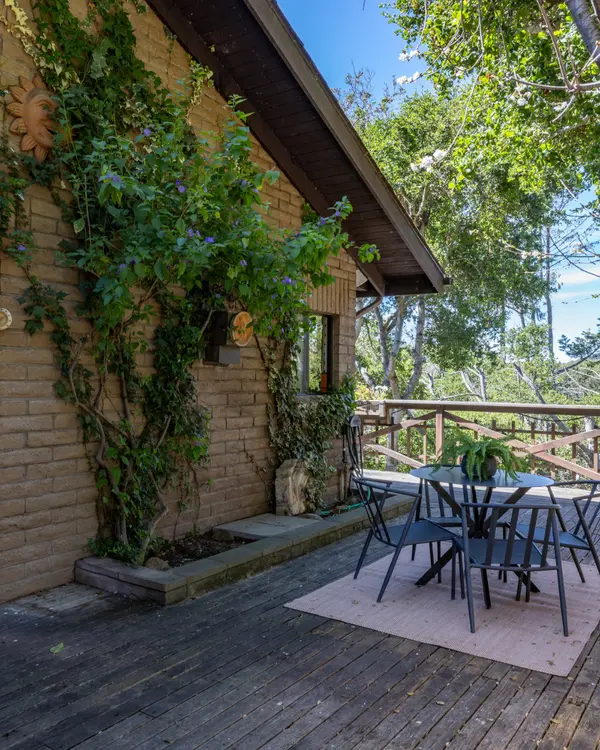
Instead, cottages, modern homes, Mediterranean villas, and handcrafted stone houses appear side by side.
This architectural diversity is the result of Carmel’s artistic origins and its long-standing commitment to individual design.
A Town Designed by Artists
Carmel’s early residents included painters, writers, and actors who were often as interested in building homes as they were in creating art.
Many of the earliest houses were constructed informally, sometimes even by the artists themselves.
The result was a village where architecture reflected personality rather than standardized planning.
One of the most influential builders was Hugh Comstock.
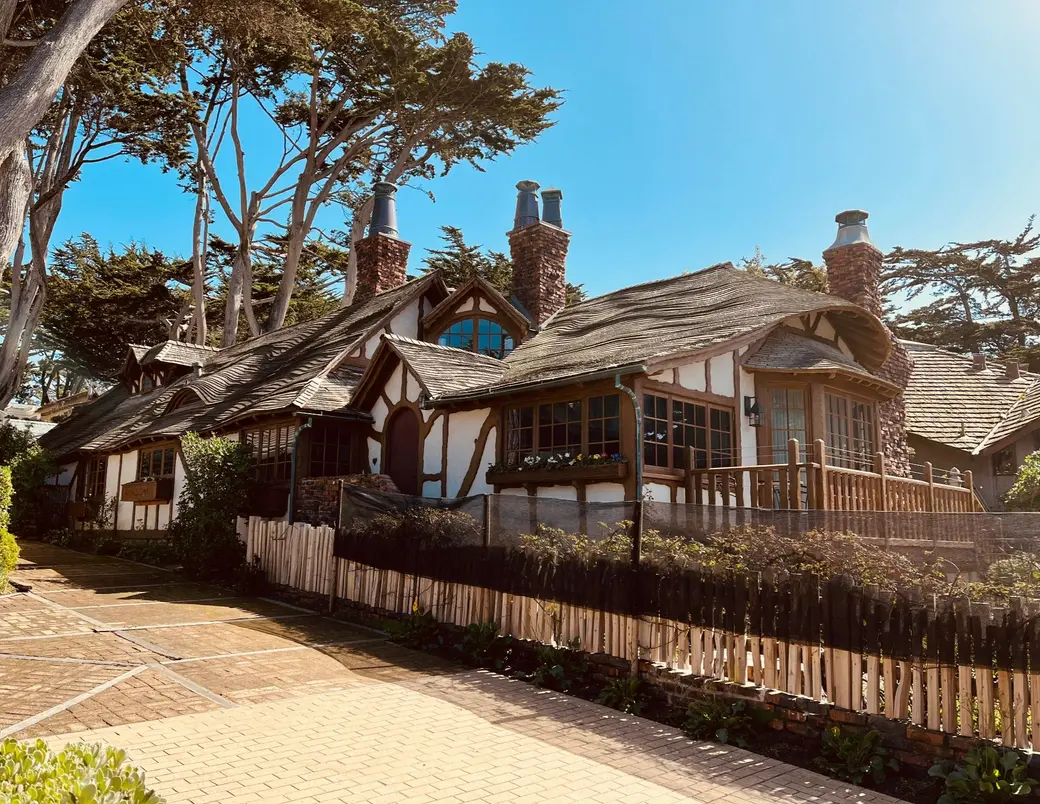
Comstock became famous for creating the whimsical “fairytale cottages” that remain some of Carmel’s most recognizable homes today.
His designs, with steep roofs, hand-shaped doors, and irregular stonework, helped establish Carmel’s storybook architectural identity.
The Fairytale Cottage Tradition
Several of Comstock’s cottages still stand today and remain among the most photographed homes in the village.
Examples include:
-
Hansel Cottage
-
Tuck Box
These homes are more than charming curiosities.
They represent a philosophy that architecture should feel personal, imaginative, and deeply connected to place.
A Culture of Individual Design
Unlike many coastal communities, Carmel has resisted architectural uniformity.
Design review boards focus on preserving character rather than enforcing a single style.
As a result, the village contains an unusually wide range of architectural influences:
-
Storybook cottages
-
Spanish revival homes
-
Mid-century modern structures
-
Contemporary coastal designs
This variety gives Carmel a visual texture that feels organic rather than planned.
Why This Matters in Real Estate
Carmel’s architectural individuality has real implications for buyers.
In many markets, homes are comparable because they share similar designs and layouts.
In Carmel, comparability is much harder to establish.
Two homes with similar square footage may differ dramatically in:
-
architectural pedigree
-
historical significance
-
craftsmanship
-
emotional appeal
This makes the market more nuanced.
Properties are often valued as much for their character as for their size or location.
Renovation Requires Sensitivity
Because Carmel places such value on architectural character, renovations are often approached with caution.
Local review processes encourage homeowners to preserve design elements that contribute to the village’s identity.
For buyers planning updates, this means balancing modernization with respect for original design.
Homes here are rarely treated as blank slates.
They are treated as part of the town’s evolving architectural story.
Why Buyers Fall in Love With Carmel Homes
Many buyers initially come to Carmel expecting traditional coastal houses.
What they often discover instead are homes with personality.
Small reading nooks. Hand-carved doors. Unexpected courtyards.
The architecture encourages a more intimate style of living.
That intimacy is one reason owners tend to hold properties here for decades rather than years.
The Value of Local Insight
Because Carmel homes are so architecturally unique, understanding their history and design context can be just as important as understanding their price.
At The Ruiz Group, much of our work involves helping buyers see the architectural significance behind properties they might otherwise view simply as houses.
Sometimes that means identifying craftsmanship that adds long-term value.
Other times it means recognizing renovation challenges that are not immediately obvious.
In Carmel, architecture is not just aesthetics.
It is part of the market itself.
Categories
Recent Posts


GET MORE INFORMATION
