
- /
Living in Carmel: Your Guide to Schools, Culture, Recreation, and Daily Life
There are places you visit, and there are places that rearrange you.
Carmel belongs to the second category.
Walk through town in the early morning, before the galleries open and before the day-trippers arrive, and you can still feel the town’s original pulse. Writers. Painters. People who came here not to build an empire but to build a life shaped by landscape. That inheritance remains. It influences how the streets feel, how homes are designed, how businesses are run, and how people relate to one another.
For those considering relocating, purchasing a second home, retiring here, or investing on the Monterey Peninsula, understanding Carmel requires more than a weekend visit. Below is a grounded, insider view of what daily life here actually offers.
Schools in Carmel
Carmel Unified School District consistently draws relocating families from the Bay Area, and with reason. Academic performance is strong, class sizes are manageable, and parent involvement is high.
The district includes:
-
Carmel River Elementary
-
Carmel Middle School
-
Carmel High School
A few considerations that matter to buyers:
-
School district boundaries influence property values in meaningful ways.
-
Inventory within Carmel Unified often commands a premium compared to adjacent zones.
-
Parent culture is engaged and informed, which shapes the social fabric around schools.
Private options nearby include:
-
Stevenson School in Pebble Beach
-
Santa Catalina School in Monterey
-
York School in Monterey
For retirees and second-home buyers, the presence of strong schools continues to affect long-term property demand and resale stability, even if they are not personally utilizing the system.
A deeper analysis of Carmel schools, enrollment nuances, and buyer implications will follow in a dedicated article.
Restaurants
Carmel’s dining scene rewards repeat visitors.
Yes, there are well-known establishments, but the real test of a restaurant here is whether locals return in February, not just July.
A few enduring favorites:
-
La Bicyclette for wood-fired warmth and communal energy
-
Cultura for refined Mexican cuisine that feels layered rather than loud
-
Aubergine at L’Auberge Carmel for a more formal tasting experience
-
Stationæry for breakfast that feels thoughtful, not rushed
-
Dametra Cafe for Mediterranean hospitality that has become part of the town’s social rhythm
For buyers considering walkability, proximity to Ocean Avenue or the quieter residential pockets just beyond it can materially affect how often you engage with this dining culture. In Carmel, being able to walk to dinner changes your daily cadence.
A full restaurant deep dive will explore how the culinary scene has evolved and where locals truly spend their evenings.
History and the Creative Spine
Carmel’s identity was shaped by artists and writers long before luxury real estate entered the conversation.
The town became a haven for creative communities in the early 20th century. That lineage remains visible in:
-
The density of independent art galleries
-
Small publishing houses and writers’ groups
-
Architectural restraint that prioritizes character over scale
Institutions like the Carmel Art Association continue to support working artists rather than simply serving tourists. You can still walk into a gallery and meet the person who created the work on the wall.
This artistic inheritance affects zoning, preservation decisions, and even architectural review processes. The town’s aesthetic coherence is not accidental. It is protected.
We will explore this cultural ecosystem in depth in an upcoming piece on Carmel’s creative scene.
Beaches, Trails, and Outdoor Life
Outdoor access is not a feature here. It is a baseline expectation.
Residents regularly use:
-
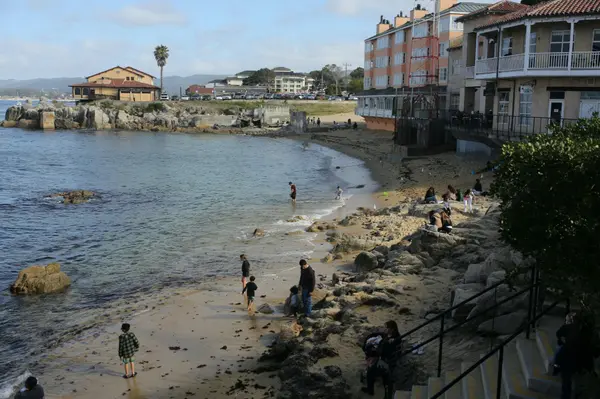
Carmel Beach for daily walks and evening sunsets
-
Scenic Bluff Path for panoramic coastal views
-
Point Lobos State Natural Reserve for hiking that rivals national parks
-
Mission Trail Park for quieter inland routes
-
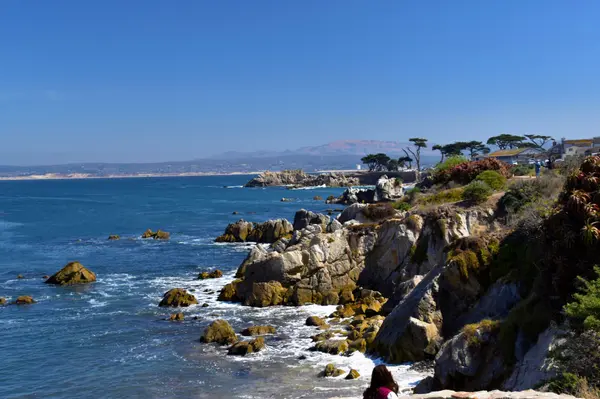
Garrapata State Park for dramatic cliffside terrain
For cyclists and runners, the terrain ranges from gently rolling to quietly punishing. The geography shapes your habits.
Owning property within walking distance of Carmel Beach alters lifestyle in subtle but significant ways. Morning routines shift. Evenings extend. The ocean becomes part of your rhythm rather than an occasional destination.
A dedicated recreation guide will unpack neighborhood-by-neighborhood implications for those prioritizing outdoor access.
Golf Courses and Country Clubs
Few regions in the country offer this density of elite golf.
Within minutes of Carmel:
-
Pebble Beach Golf Links
-
Spyglass Hill
-
The Links at Spanish Bay
-
Poppy Hills
-
Quail Lodge in Carmel Valley
Private club environments add another layer of community and access. For some buyers, club membership shapes both social life and property selection.
Golf here is not purely recreational. It intersects with hospitality, philanthropy, and business networks across the Peninsula.
A full exploration of public versus private golf, initiation structures, and community implications will follow.
Wineries and Carmel Valley
Carmel Valley provides a different climate, both meteorologically and socially.
Warmer afternoons, equestrian properties, and vineyard landscapes create contrast with coastal Carmel-by-the-Sea.
Local tasting rooms and wineries such as:
-
Bernardus Winery
-
Holman Ranch
offer a distinct rhythm. Many buyers split time between coastal property and valley experiences, or choose one based on lifestyle preference.
Understanding that relationship between Carmel and Carmel Valley is essential for buyers evaluating long-term fit.
Bed & Breakfasts and Hospitality
Carmel’s hospitality scene reinforces its intimate scale.
Properties like:
-
Carmel Mission Inn
-
Tally Ho Inn
-
Tradewinds Carmel
reflect the town’s preference for smaller, character-driven lodging rather than high-rise development.
For investors, the hospitality landscape and local short-term rental regulations require careful navigation. For second-home buyers, proximity to these properties influences guest overflow and neighborhood activity.
We will address this more directly in an investment-focused article.
Art Galleries and Shopping
Carmel supports:
-
Independent jewelers
-
Small-format design studios
-
Fine art galleries
-
Curated boutiques
The absence of aggressive chain retail contributes to the town’s cohesive feel. Retail here often feels like an extension of personal taste rather than commercial scale.
Ocean Avenue may carry the foot traffic, but side streets often reveal the most interesting spaces.
Swimming, Spas, and Slower Rituals
Swimming in Carmel often means:
-
Ocean plunges for the brave
-
Community fitness clubs
-
Hotel spa experiences
Spa culture here leans restorative rather than flashy. It aligns with the town’s quiet aesthetic.
Why Carmel Continues to Hold Attention
Carmel’s appeal rests in integration.
Schools, recreation, dining, art, and landscape do not operate as separate features. They reinforce one another. The creative past informs present zoning. The beach informs architecture. The restaurants feed community networks. The schools stabilize demand.
For relocating buyers from the Bay Area, retirees seeking aesthetic continuity, second-home owners wanting depth rather than spectacle, and investors evaluating long-term stability, Carmel offers a rare combination of cultural density and environmental beauty.
This series will explore each of these dimensions in greater detail.
If you are considering life on the Monterey Peninsula, the nuances matter. Carmel rewards those who understand it beyond the postcard version.
Categories
Recent Posts

GET MORE INFORMATION
