
- /
Living Full-Time in Carmel vs. Owning a Second Home
How Buyers Decide to Make the Monterey Peninsula Their Primary Address
For many buyers, the Monterey Peninsula begins as a retreat.
A weekend house.
A summer place.
A refuge from the pace of the Bay Area.
But often, the question they ask themselves shifts from “How often can we visit?” to “Why aren’t we here full-time?”
Understanding the reasons why helps clarify how Carmel and Pebble Beach function as residential environments, not just luxury destinations.
The First Phase: The Weekend Pattern
Most second-home owners establish a rhythm:
1. Friday departure from Silicon Valley or San Francisco.
2. Dinner in Carmel.
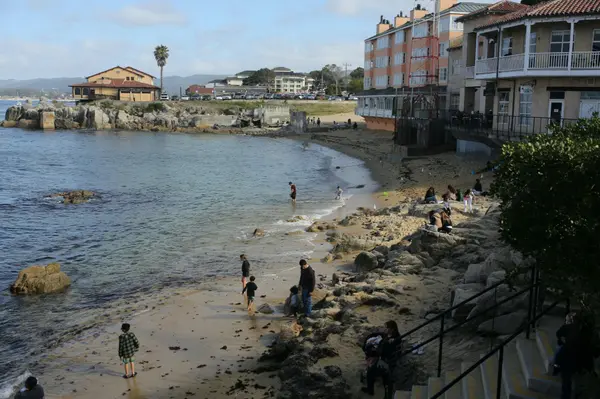
3. A Saturday morning walk along Carmel Beach.
4. Golf, hiking, or simply quiet time.
5. Sunday afternoon returns north.
For many buyers, this cadence lasts for years. The Monterey Peninsula serves as a natural decompression zone rather than a base of operations.
What Changes Over Time
Eventually, many owners notice a shift in their own patterns.
They begin extending stays. Three days become five. Weekends become weeks.
Remote work has accelerated this evolution, but it began well before hybrid schedules became common.
People realize that the lifestyle they visit for is the lifestyle they prefer.
Full-Time Living Looks Different Than Visiting
When people move permanently, they begin engaging with Carmel differently.
They develop routines beyond restaurants and beach walks.
Full-time residents often discover:
-
Morning hikes in the Mission Trail Nature Preserve
-
Regular community events at Sunset Cultural Center
-
Volunteer and nonprofit involvement
-
Daily walking culture within the village
The Advantages of Staying Part-Time
For some owners, maintaining a second-home structure remains ideal.
Benefits include:
-
Continued business ties in major cities
-
Seasonal flexibility
-
Lower emotional pressure on the property to meet everyday needs
Many buyers enjoy preserving the Peninsula as a place associated with leisure rather than obligation.
There is no universal right answer.
Practical Considerations
Buyers evaluating the transition from second home to primary residence typically consider:
-
Proximity to healthcare
-
Access to regional airports
-
Winter weather patterns
-
Community integration
Fortunately, the Monterey Peninsula’s infrastructure supports full-time living surprisingly well.
The presence of Community Hospital of the Monterey Peninsula provides top-tier healthcare, and regional airports in Monterey and San Jose maintain strong connections to major cities.
A Gradual Transition
One pattern The Ruiz Group frequently observes:
Buyers do not formally decide to relocate full-time. It simply happens.
They spend more time here. They begin scheduling life around the Peninsula. And eventually, the “second” home becomes the primary one.
Carmel’s Advantage
Carmel supports both lifestyles simultaneously.
The village is intimate enough to feel personal for full-time residents, yet internationally recognized enough to remain special for occasional visitors.
Few places manage that balance.
It is one reason ownership patterns here often stretch across decades rather than years.
The Real Question
Buyers often ask whether Carmel is better as a primary residence or a second home.
The more accurate answer may be that it is unusually good at becoming both.
Many owners simply discover, over time, which role it plays in their lives.
And sometimes, that role changes.
Categories
Recent Posts




GET MORE INFORMATION
