
- /
Beaches and Trails in Carmel: Living With the Landscape
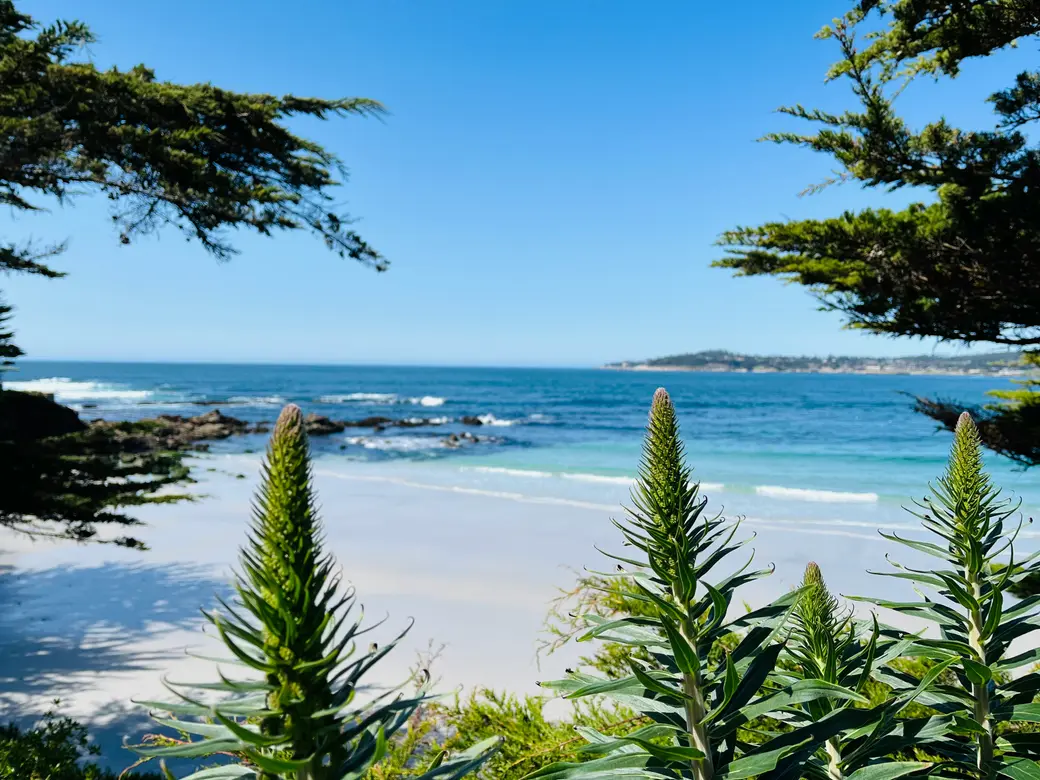
In Carmel, the outdoors are not a weekend plan.
Mother Nature forms our background, our foreground, and our infrastructure.
You do not “go to the beach” here in the same way you might elsewhere. The beach becomes part of the way your day opens or closes. The trails and bluff paths have the power to recalibrate your entire mood.
For buyers considering a move, understanding how people actually use these spaces is essential.
Carmel Beach: Daily Ritual
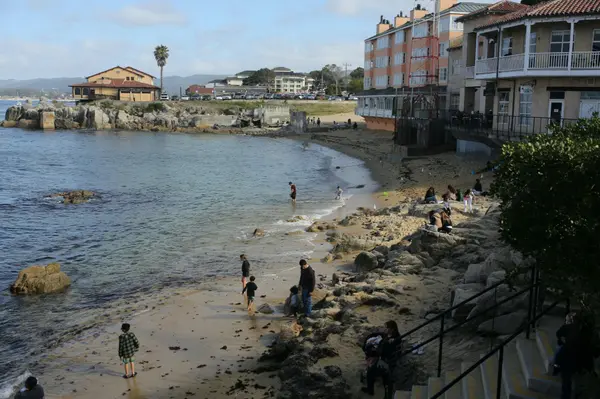
Carmel Beach stretches wide and pale beneath the bluff-lined streets of Carmel-by-the-Sea.
Each day, you will see:
-
Early-morning dog walkers
-
Runners navigating the soft sand
-
Cold-water swimmers moving briskly in and out
-
Families gathering at sunset
-
Residents sitting quietly alone with coffee
What distinguishes Carmel Beach is accessibility from residential neighborhoods. Many homes sit within a short walk of the sand. That proximity changes the frequency (and the nature) of your visitis. The ocean becomes something you encounter daily and habitually.
For buyers, distance to beach access points is not a small detail. A five-minute walk feels entirely different from a ten-minute drive.
Scenic Bluff Path: The Overlook That Locals Use
The bluff path above Carmel Beach offers panoramic views of the Pacific, Pebble Beach, and Point Lobos.
It is one of the most beautiful walking routes in California. It is also part of many residents’ weekly routine.
Morning walks here are quiet and purposeful. Evenings draw slower movement and longer pauses.
Living near this corridor means your “quick walk” includes ocean cliffs and cypress silhouettes. That has a cumulative psychological effect. The landscape works on you.
Point Lobos State Natural Reserve: Proximity to Something Extraordinary
Ten minutes south of town lies Point Lobos.
Granite coves. Wind-sculpted trees. Clear turquoise water. Trails that feel cinematic.
Residents treat Point Lobos as an extension of their neighborhood. Annual passes are common. Weekday visits are strategic, often timed to avoid peak entry limits.
For those relocating from urban environments, this level of access can feel transformative. A world-class coastal reserve becomes part of an ordinary Tuesday.
Properties in southern Carmel and Carmel Highlands offer even closer proximity, though often at different price points and with different terrain considerations.
Mission Trail Park: The Quiet Counterbalance
Mission Trail Park sits just inland from downtown.
Less dramatic than the coastline, it offers:
-
Woodland paths
-
Steady elevation gain
-
Fewer visitors
-
A sense of local familiarity
Many residents use it for quick weekday hikes or fitness loops. It is less photographed and more lived-in.
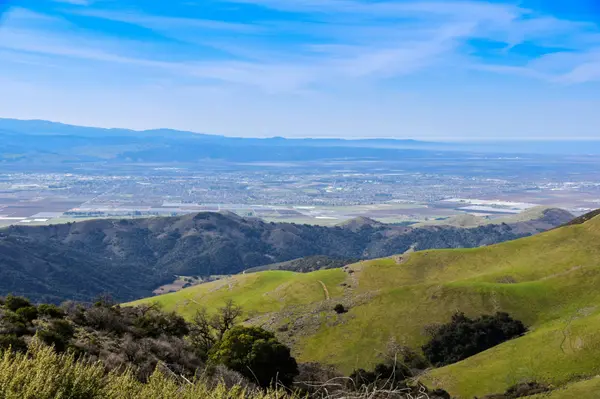
Homes bordering or near Mission Trail often appeal to buyers who prioritize trail access over ocean views. The experience is immersive and green rather than expansive and blue.
South and North: The Terrain Shapes You
Head north into Pebble Beach and you’ll find paved coastal paths and golf-framed views.
Head south toward Garrapata and Big Sur, and the terrain grows wilder.
Garrapata State Park offers cliffside trails and dramatic elevation shifts. It feels elemental.
Carmel sits between refinement and rawness. Residents can access both within minutes.
For hikers, cyclists, and runners, this diversity prevents routine from becoming stale. Terrain dictates effort. Effort shapes habit.
Swimming: For the Brave and the Consistent
The Pacific here is cold year-round.
Still, you will see:
-
Regular ocean swimmers
-
Wetsuit-clad surfers
-
Cold-plunge devotees
-
Triathletes training along the coast
Swimming in Carmel is less about leisure floating and more about discipline and exhilaration.
There are also indoor options and club environments throughout the Peninsula, but ocean immersion holds symbolic weight here. It connects you directly to the environment that defines the town.
How Outdoor Access Influences Property Choice
Outdoor proximity shapes:
-
Morning routines
-
Pet ownership patterns
-
Social encounters
-
Weekend structure
-
Guest experience for second-home owners
Walkable-to-beach cottages foster spontaneous sunset gatherings. Hillside homes may offer panoramic views but require intentional effort to reach the sand.
Retirees often prioritize gentle walking access and flatter terrain. Relocating families weigh school commute alongside trail access. Investors examine rental appeal tied to proximity to coastal landmarks.
These decisions are rarely made solely on square footage. They are made on how someone imagines their days unfolding.
The Emotional Undercurrent
Carmel’s early artists came here for this landscape.
You can still sense that lineage on foggy mornings when the beach disappears into mist and the cypress trees look almost theatrical against the sky.
The terrain is not ornamental. It shaped the town’s architecture, its creative community, and its resistance to overdevelopment.
Living here means accepting that weather will shift quickly. Fog will roll in. Wind will rise. Sun will return.
That variability becomes part of your internal climate as well.
For Those Considering a Move
Spend time outside before you purchase.
Walk from your potential front door to the nearest trail. Time it. Notice incline. Notice exposure to wind. Notice how the air feels at different hours.
Carmel rewards those who align their property choice with their intended lifestyle.
The beach, the bluffs, the inland trails, and the state reserves are not amenities in the background.
They are the structure around which daily life forms.
Categories
Recent Posts

GET MORE INFORMATION
