
- /
All About Carmel Restaurants: Where Locals Go
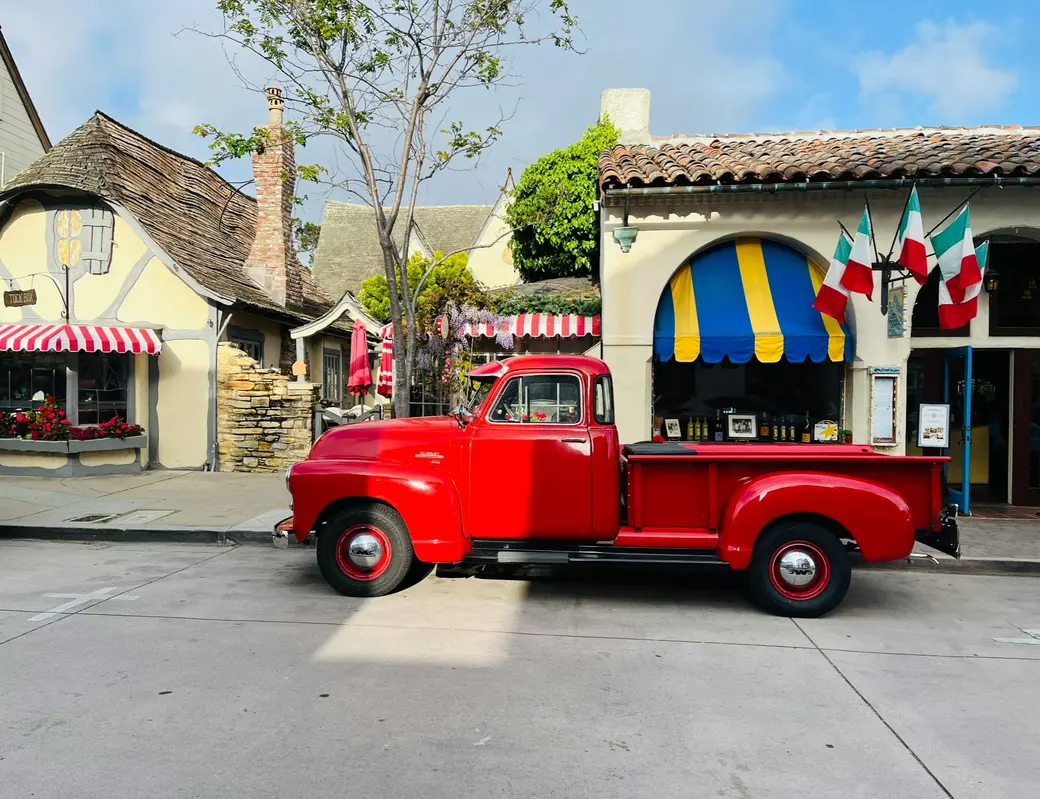
You can learn a great deal about Carmel by watching where tables fill even in February. By noticing which dining rooms hold the longest conversations. By seeing who walks in without first looking at a menu.
Carmel’s restaurant scene is small enough to feel intimate and layered enough to reward repetition. It reflects the town’s literary past, its European leanings, and its preference for intimacy over spectacle.
The Scale of Dining Here
Carmel-by-the-Sea is compact. That means:
-
Most restaurants are independently owned.
-
Dining rooms are smaller.
-
Walkability shapes how often residents go out.
-
Repeat customers matter.
For buyers considering proximity to Ocean Avenue or the residential streets just beyond it, being able to walk to dinner shifts how often you participate in town life.
The Restaurants Locals Love
Some establishments have become woven into daily life.
La Bicyclette
Wood-fired, communal, warm. It carries the feeling of a European neighborhood restaurant.
Cultura Comida y Bebida
Layered, refined Mexican cuisine, and a good example of Carmel’s preference for thoughtful interpretation over trend-chasing.
Aubergine at L’Auberge Carmel
Formal tasting menus in an intimate setting. This is where anniversaries happen. Where you take visiting friends from San Francisco if you want to really impress them.
Stationæry
Breakfast and lunch that feels intentional. A place where laptops occasionally appear, but conversation dominates.
Dametra Cafe
Energetic Mediterranean hospitality. Live music nights become community gatherings. It is not quiet, and that is precisely the point.
These restaurants serve different moods, but they share something essential: continuity. They are part of the town’s ecosystem, not interchangeable dining concepts.
Where Visitors Linger
Ocean Avenue attracts visitors, and some restaurants are designed to meet that energy. Outdoor seating, visible signage, menus that appeal broadly.
There is nothing inherently wrong with that. Tourism is part of Carmel’s economy.
What distinguishes Carmel is that visitor-facing dining exists alongside deeply local spaces rather than replacing them.
Residents learn which streets feel calmer after 6:30 pm. They learn which side entrances bypass daytime foot traffic. They learn where they can secure a last-minute table on a foggy Tuesday.
These small pieces of knowledge shape daily experience.
The Influence of Seasonality
Carmel’s dining rhythm shifts with the calendar.
-
Summer and holiday weekends bring reservation scarcity.
-
January and February feel intimate.
-
Shoulder seasons often offer the most relaxed atmosphere.
For second-home owners, this means visits during quieter months feel fundamentally different from peak-season stays.
For investors and buyers evaluating walkability, understanding seasonal intensity matters. Proximity to downtown brings vibrancy and occasional congestion. A few blocks’ distance can restore stillness.
Restaurants and Real Estate
Dining culture influences:
-
How often residents leave their homes in the evening
-
How frequently second-home owners use their properties
-
Short-term rental demand in walkable zones
-
The social density of certain neighborhoods
A cottage within walking distance of downtown Carmel supports spontaneous dinners. A hillside property offers privacy and views but may require driving.
Neither is superior. They simply support different patterns of living.
The Subtle European Influence
Carmel’s early artists and writers carried European sensibilities into the town’s architecture and social life. That influence remains visible in its dining scale.
Small dining rooms. Stone courtyards. Low lighting. Slow meals.
You will not find oversized rooftop concepts or sprawling restaurant groups dominating entire blocks.
The town protects scale. And the committment to preservation shapes everything from ambiance to real estate demand.
Expanding the Scene: Carmel Valley and Beyond
Some residents widen their dining radius.
Carmel Valley offers warmer evenings and vineyard settings. Monterey and Pacific Grove add waterfront dining and more casual options.
Still, many Carmel residents find that the compact village satisfies most weeknight needs. That containment is part of the appeal.
What This Means for Buyers
For relocating buyers, retirees, and second-home owners, restaurants are not merely amenities. They influence:
-
Social integration
-
Daily movement patterns
-
How often a property feels activated rather than idle
-
Whether evenings feel expansive or contained
Spend time walking the streets after dark before purchasing. Notice where light spills onto the sidewalk. Notice which dining rooms hum rather than roar.
The right location within Carmel is often less about square footage and more about proximity to the life you intend to live.
In the next deep dive, we will explore Carmel’s beaches, trails, and outdoor life, and how living beside this landscape reshapes daily habit.
Categories
Recent Posts


GET MORE INFORMATION
